The Ministry of Social Affairs alongside financial oversight bodies has intensified its scrutiny over social assistance distribution, implementing strict countermeasures against illegal online gambling activities in Indonesia. Beneficiaries of the Family Hope Program, widely known as Program Keluarga Harapan (PKH), now face potential disbursement suspensions if their accounts or linked digital wallets show indicators of involvement in online gambling, locally referred to as judol. This policy forms part of a broader national strategy to ensure that state funds designated for poverty alleviation and family welfare are utilized strictly for their intended purposes rather than being diverted into illicit financial networks.
For many vulnerable households, PKH serves as a vital financial lifeline covering basic needs, education, and healthcare. Consequently, an unexpected suspension due to a flagged account can cause severe economic distress. Government officials emphasize that a flagged status does not automatically equate to a final verdict of guilt. Recognizing that data inaccuracies, systemic errors, or identity theft can occur, authorities have established a formal clarification and rebuttal mechanism. Understanding how to navigate this verification process is crucial for innocent recipients seeking to unfreeze their accounts and secure their rightful financial assistance.
The Integration of Financial Intelligence and Social Welfare Data
The cross-referencing of social assistance data with online gambling indicators stems from a collaborative effort between the Ministry of Social Affairs and the Financial Transaction Reports and Analysis Centre, known globally as PPATK. PPATK monitors suspicious monetary flows, unusual digital transactions, and accounts exhibiting patterns characteristic of illegal gambling operations. When automated systems or analytical audits detect a correlation between a recipient’s identity, registered phone number, or bank account and suspicious gambling networks, a temporary hold is placed on the beneficiary’s profile.
This rigorous oversight mechanism was introduced as part of the government’s comprehensive crackdown on the escalating online gambling crisis. Authorities have observed that illicit gambling operators frequently exploit vulnerable populations to launder money or mask illicit transactions. By freezing funds tied to suspicious indicators, the state aims to choke off the financial arteries supporting illegal digital betting platforms. However, this automated netting system occasionally ensnares individuals who have no association with gambling whatsoever, making the implementation of a transparent appeals process an absolute necessity.
Understanding the "Indicated" Status Versus Proven Violations
A critical distinction emphasized by social policy administrators is the difference between an account being "indicated" for online gambling versus a confirmed violation. An indication denotes that a particular data point associated with the recipient has appeared in proximity to suspicious financial transactions monitored by PPATK. It functions as an administrative flag rather than a definitive judicial conviction.
Because these flags can be triggered by external factors beyond the recipient’s control, the government provides a designated rebuttal pathway. Beneficiaries who maintain their innocence are legally and administratively entitled to file a formal dispute, known locally as a sanggahan. Failing to submit this clarification within the designated timeframe can lead to the permanent freezing of accounts, removal from the Integrated Data for Social Welfare (DTKS), and the total forfeiture of future social assistance distributions.
Common Causes of False Positives: Identity Theft and QRIS Misuse
Investigations into erroneous online gambling flags often reveal troubling instances of data compromise. One of the most prevalent causes of false positives is identity theft, where unauthorized third parties—often operating illegal gambling rings—surreptitiously acquire citizen identification numbers, family cards, or phone numbers. These rogue actors use stolen credentials to register e-wallets or open digital banking channels, effectively laundering their operational funds through unwitting citizens’ profiles.
Furthermore, financial security experts have warned about the misuse of Quick Response Code Indonesian Standard (QRIS) transactions. Unscrupulous individuals sometimes utilize innocent merchants’ or citizens’ payment codes to disperse or collect gambling winnings, muddying the audit trail and inadvertently implicating compliant community members. Citizens are continually urged to exercise extreme caution when sharing personal identification documents, verifying financial applications, and authorizing digital transactions to prevent their data from being weaponized by cybercriminals.
Step-by-Step Guide to Filing a Rebuttal for Flagged PKH Accounts
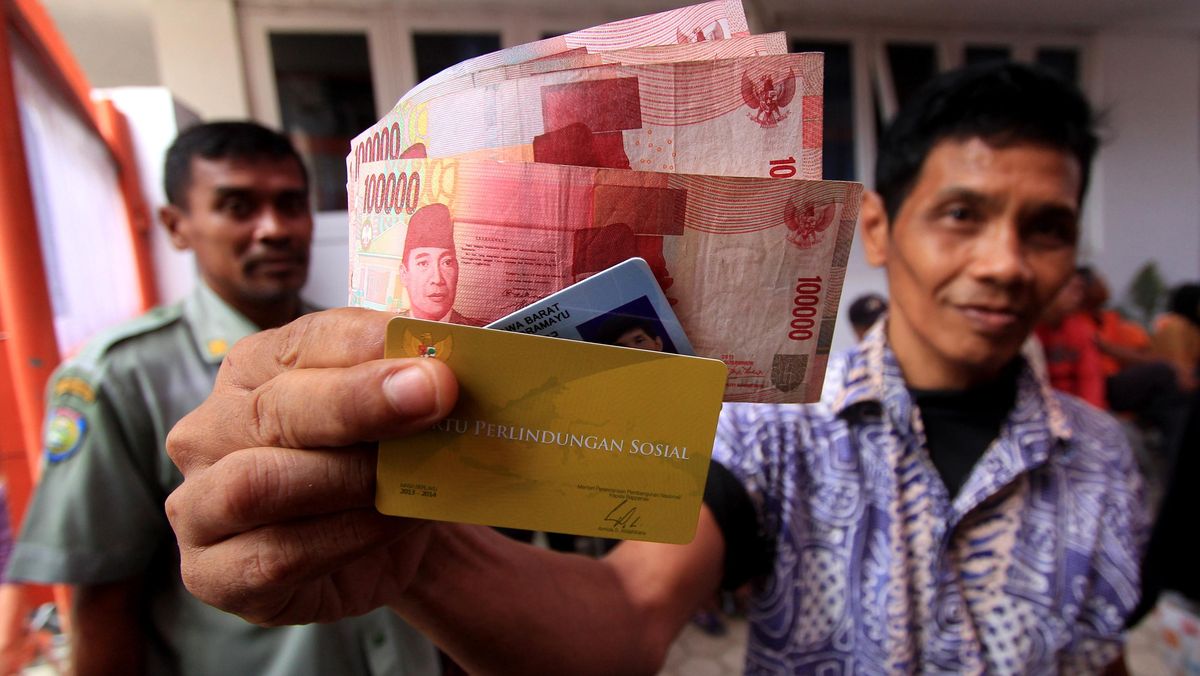
For beneficiaries whose PKH disbursements have been put on hold due to suspected online gambling links, taking immediate corrective action is paramount. Although administrative pathways can vary slightly depending on regional social service office procedures, a standardized protocol has been established to guide innocent recipients through the clearance process.
First, beneficiaries should gather all necessary foundational documents verifying their identity and household composition. Essential requirements typically include an original Resident Identity Card, commonly known as KTP, a Family Card (Kartu Keluarga), and physical bank books or active screenshots of the official digital wallet applications linked to their social assistance payouts.
Second, recipients must coordinate directly with local social welfare authorities, specifically designated PKH facilitators or local district social offices (Dinas Sosial). These local representatives possess access to the backend management systems required to log formal grievances and initiate the data verification cascade.
Third, during the clarification interview or submission process, beneficiaries must explicitly state and prove their non-involvement in any gambling activities. Officials will cross-examine the transaction history of the registered account to isolate anomalies, such as unauthorized third-party transfers or external digital wallet linkages created without the owner’s consent. Once the local social service office validates the legitimacy of the recipient’s claim, the documentation is forwarded upstream to central administrators and PPATK for review, leading to the eventual lifting of the disbursement suspension.
Consequences for Confirmed Violations and Legal Ramifications
While innocent victims have a clear pathway to clear their names and recover their funds, the stance of the Indonesian government against actual perpetrators remains uncompromising. Beneficiaries who are conclusively proven to have engaged in online gambling face severe punitive measures. Beyond the immediate forfeiture and cancellation of their PKH benefits, individuals found guilty of participating in illegal gambling activities face substantial legal penalties under the Indonesian Criminal Code and relevant Information and Electronic Transactions laws, which include heavy monetary fines and long-term imprisonment.
Authorities reiterate that social welfare programs are funded by taxpayer money intended exclusively to elevate underprivileged families out of poverty, support child education, and improve nutritional standards. Diverting these resources into illegal gambling undermines the entire foundation of the social safety net. Consequently, the strict enforcement serves both as a protective barrier for state finances and as a deterrent against unlawful digital behavior.
Broader Economic Implications and Future Outlook
The intersection of social welfare distribution and financial crime prevention highlights the increasing digitization of governance in Indonesia. As social assistance transitions entirely to cashless, digital-first disbursals through integrated banking systems and e-wallets, the government gains unprecedented visibility into financial behaviors. While this modernization creates efficiencies and reduces corruption, it simultaneously demands higher digital literacy among marginalized populations.
Moving forward, consumer protection agencies and social advocacy groups are calling for enhanced educational campaigns to teach vulnerable communities about digital hygiene, data privacy, and the risks associated with financial exploitation. Ensuring that automated anti-fraud systems possess refined precision will also minimize the administrative burden placed on innocent citizens, safeguarding the integrity of poverty alleviation programs while successfully dismantling illegal gambling networks across the archipelago.
Related posts: