The debate surrounding the longevity and evolution of fragrances has long fascinated both casual consumers and dedicated fragrance collectors. In the vast and intricate world of perfumery, a popular belief persists that certain bottles of perfume, much like fine wines, improve significantly with age. Enthusiasts often advocate for a practice known informally as leaving a fragrance to "rest" or "mature" in a dark corner for weeks or even months after purchase, under the assumption that this patience will unlock deeper, richer, and longer-lasting aromatic profiles.
However, translating complex chemical processes into domestic fragrance care requires a nuanced understanding of how scents are formulated, how they interact with their environment, and what actually happens inside a sealed glass bottle over extended periods. While industry professionals and chemical experts acknowledge that certain changes do occur within a fragrance over time, the notion that all perfumes automatically get better with age is largely a misconception. Navigating this topic requires delving into the precise science of perfumery, distinguishing between manufacturing terminology, recognizing the invisible yet powerful threat of oxidation, and adopting rigorous preservation techniques to safeguard both olfactory integrity and skin health.
Decoding the Language of Perfume: Maceration Versus Maturation
To comprehend how a fragrance changes from the moment it is bottled to the final sprays at the bottom of the flacon, one must first dismantle common industry terminology. In casual discussions among beauty enthusiasts, the terms "maceration" and "maturation" are frequently used interchangeably. Chemically and operationally, however, they represent two entirely distinct phases in a fragrance’s lifecycle.
Maceration is fundamentally a manufacturing step. It occurs during the production process when raw aromatic materials—comprising natural essential oils, synthetic aroma molecules, and absolutes—are thoroughly blended with a specialized perfumer’s alcohol and water base. Once combined, the mixture is allowed to rest for a designated period so that all the individual components can fully marry and harmonize. This critical stage ensures that no single note overpowers the composition prematurely, resulting in a cohesive and balanced scent profile before the liquid is ever filtered, bottled, and shipped to retail shelves.
This process can occasionally extend into the consumer experience, particularly when dealing with bespoke fragrances, niche houses that hand-decant upon purchase, or formulations involving high concentrations of natural extracts. When a consumer is advised by an artisanal perfumer to let a newly acquired bottle sit undisturbed for a fortnight, they are essentially witnessing a continuation of this stabilizing phase.
Aamna Lone, a London-based fragrance expert with a formal academic background in chemistry, explains that allowing a newly purchased fragrance to rest provides the necessary window for secondary chemical reactions to settle within the formulation. This brief settling period allows the initial, sharp ethanol blast—inevitable when high concentrations of alcohol are freshly agitated—to dissipate, thereby smoothing out the initial application and allowing the heart and base notes to emerge with greater clarity.
The Chemistry of Maturation: Which Scents Improve and Which Degrade?
While maceration takes place during the formative stages of a perfume’s existence, maturation refers to the organic, often protracted evolution of a fragrance after it has been fully completed, packaged, and stored. Unlike wine, which is deliberately engineered to undergo complex chemical fermentation and enzymatic transformations over decades in cellars, commercial perfumes are finished chemical products designed to be stable at the point of sale.
Nevertheless, maturation does happen organically inside bottles sitting on vanities or in collection cabinets. Certain scent profiles are naturally more resilient and adaptable to this slow aging process. Fragrances anchored by deep, heavy, and complex base notes—such as rich amber, dense resins, precious woods (like sandalwood and oud), and heavy gourmand notes dominated by natural vanillin—often display a remarkable ability to weather time. Over months and years, vanillin, for instance, can undergo subtle oxidation or concentration changes that deepen its color to a rich amber and lend the overall scent a warmer, rounder, and more resinous depth.
Conversely, applying this same expectation to every category of fragrance is scientifically flawed. Fragrances built around top-heavy, volatile, and delicate molecules—such as bright citrus notes (bergamot, lemon, grapefruit), crisp green accords, aquatic notes, and light fruity or aromatic profiles—are notoriously fragile. These vibrant, fleeting notes are composed of smaller, highly reactive molecules that do not benefit from extended storage.
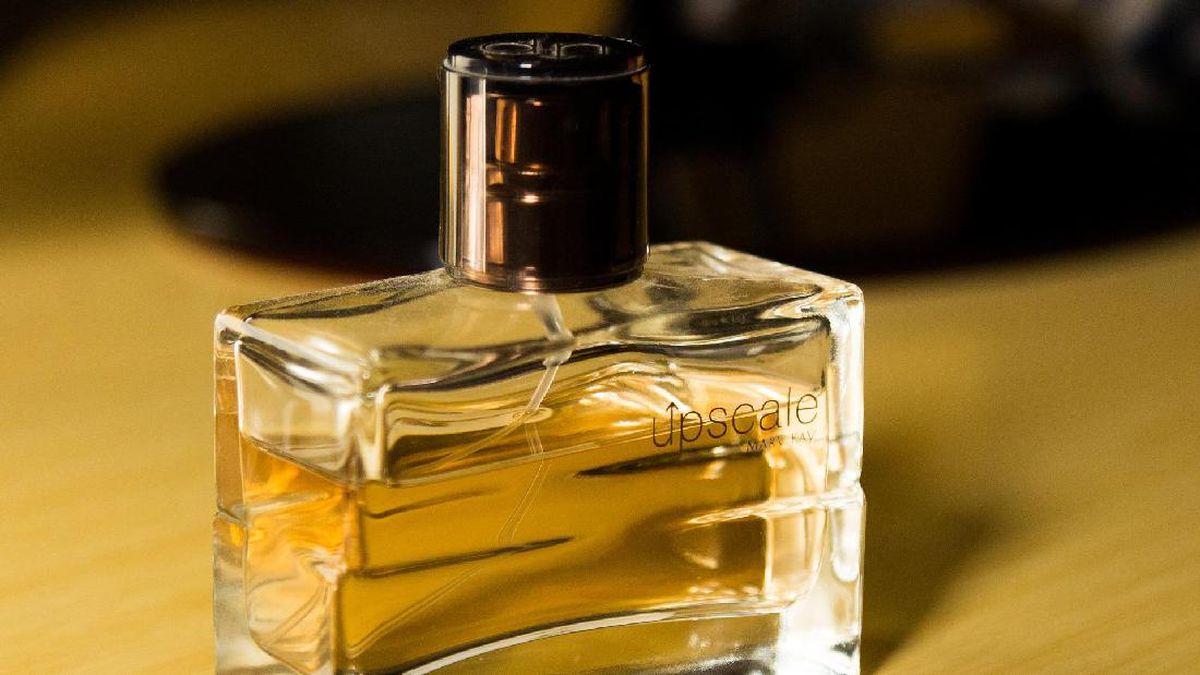
Instead of maturing gracefully, these fresh formulations are highly susceptible to oxidation. Oxidation occurs when the chemical compounds within the perfume come into contact with oxygen—often trapped within the headspace of the bottle or introduced microscopically through the atomizer over time. This interaction breaks down fragile molecular structures, stripping the fragrance of its crisp, zesty opening and frequently transforming bright citrus accords into flat, muted, or heavily spiced, medicinal odors. Therefore, letting a fresh summer cologne sit in a cupboard for five years will not make it richer; it will almost certainly ruin it.
Identifying Compromised Quality: Signs of Oxidation and Spoilage
Given that time can either gently refine a heavy oriental scent or completely devastate a vibrant citrus composition, consumers must be equipped to distinguish between a harmless, natural maturation process and a genuinely spoiled product. Chemical degradation does not merely alter how a perfume smells; it fundamentally alters its chemical composition, creating entirely new, potentially irritating compounds.
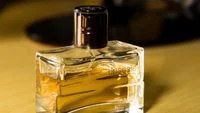
The most immediate visual indicator of chemical compromise is a dramatic shift in the color of the liquid. While many perfumes naturally feature a pale yellow, golden, or amber hue due to the presence of natural raw materials like jasmine absolute or vanilla, a stark deviation from the original color is a red flag. If a clear liquid turns aggressively dark amber, or if an originally tinted juice fades significantly or turns murky, oxidation is actively underway.
Olfactory evaluation provides the definitive test. A degraded perfume will often emit off-putting, sharp, or discordant notes that were never part of the original formulation. Consumers frequently report detecting a metallic tang, a sharp vinegary acidity, or a heavy, sour plastic-like odor. These off-notes are the direct result of degraded carrier alcohols and oxidized aromatic compounds breaking down into carboxylic acids and other unwanted byproducts.
Continuing to use a heavily oxidized or chemically compromised perfume carries tangible physical risks. As complex aromatic compounds degrade, they can become potent sensitizers. Spraying degraded fragrance compounds directly onto the skin increases the probability of adverse dermatological reactions, ranging from acute contact dermatitis and localized redness to stubborn rashes and persistent skin irritation. If a cherished bottle exhibits these telltale signs of spoilage, ethical and dermatological prudence dictates that it be retired, regardless of its remaining volume or monetary value.
Best Practices for Fragrance Preservation and Longevity
Because the vast majority of commercial perfumes are vulnerable to environmental degradation, the manner in which a fragrance is stored plays a vastly more decisive role in its lifespan than any intentional strategy of prolonged aging. Preserving the integrity of a perfume’s chemical composition requires mitigating the primary catalysts of molecular breakdown: light, heat, oxygen, and humidity.
Ultraviolet (UV) radiation is one of the most aggressive enemies of fine fragrance. Direct sunlight acts as a catalyst for rapid photochemical reactions, breaking down delicate botanical extracts and destabilizing synthetic fixatives within hours. Consequently, keeping bottles displayed on open vanity tops, windowsill ledges, or brightly lit bathroom shelves drastically shortens their usable life. Fragrances should ideally be stored in dark environments, such as closed drawers, dedicated armoires, or even inside their original cardboard packaging boxes, which are specifically engineered to block ambient light.
Temperature fluctuation is another critical factor. Bathrooms, while convenient for daily application, represent one of the worst environments for perfume storage due to the constant, dramatic shifts in temperature and humidity caused by hot showers. These thermal cycles cause the liquid inside the glass flacon to expand and contract, subtly drawing air past the atomizer seal and accelerating internal oxidation. A stable, cool, and climate-controlled environment—maintaining a consistent room temperature away from heating vents and direct sunlight—is optimal.
Furthermore, minimizing air introduction is vital. Modern atomizers are designed to create a sealed pressurized system, but older bottles with traditional splash caps are particularly vulnerable, as every opening exposes the liquid to a fresh influx of oxygen. For collectors with extensive libraries of fragrance, decanting into smaller travel atomizers should be done sparingly, and bottles should always be capped tightly immediately after use.
Ultimately, while the romantic notion of a fragrance maturing like a fine vintage holds a grain of truth for specific, heavy, resinous compositions, the vast majority of modern perfumery prioritizes immediate wearability and stability. Understanding the delicate balance between beneficial chemical settling and destructive oxidation empowers fragrance consumers to protect their investments, enjoy their scents at their absolute peak, and avoid the potential pitfalls of keeping delicate formulas past their prime.