Understanding the Vital Role and Maintenance Requirements of Motorcycle Batteries to Prevent Premature Failure

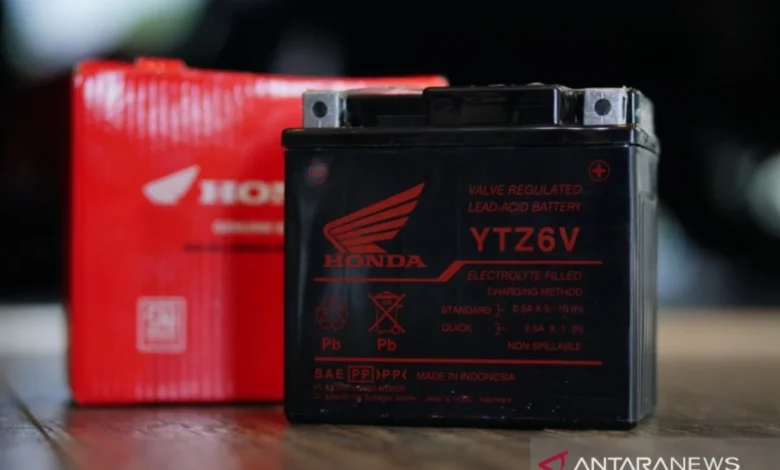
The motorcycle battery serves as the primary heartbeat of a vehicle’s electrical architecture, functioning as the critical reservoir for energy required to initiate ignition, power lighting systems, operate electronic instrument clusters, and facilitate electric starting mechanisms. Despite its pivotal role in daily mobility, the battery remains one of the most frequently neglected components in routine motorcycle maintenance. As modern motorcycles integrate increasingly complex digital features—ranging from sophisticated immobilizers and security alarms to advanced fuel injection systems—the dependency on a healthy, high-capacity battery has reached unprecedented levels. Failure to maintain this component often leads to the dreaded "dead battery" scenario, resulting in stranded riders and unnecessary repair expenses.
The Anatomy of Battery Degradation: Why They Fail
At its core, a lead-acid motorcycle battery relies on a chemical reaction to store and release electrical energy. However, this process is susceptible to degradation over time, particularly when subjected to inconsistent charging cycles or prolonged periods of inactivity. Industry experts from GS Yuasa, a global leader in battery manufacturing, note that the most significant threat to battery longevity is the phenomenon of self-discharge. Even when a motorcycle is parked and the ignition is turned off, the battery continues to lose a small percentage of its charge. When this state of low charge persists for an extended duration, it triggers a chemical process known as sulfation. During sulfation, lead sulfate crystals form on the internal battery plates, effectively hardening over time and creating a permanent barrier that inhibits the battery’s ability to accept and hold a charge.
Furthermore, the delicate balance between the vehicle’s charging system—typically comprised of the stator (alternator) and the regulator-rectifier (kiprok)—and the battery’s capacity is essential. If the charging system is compromised, or if the electrical demand from aftermarket accessories exceeds the alternator’s output, the battery will be forced to operate in a chronic state of partial discharge. This imbalance accelerates the depletion of the electrolyte solution in conventional batteries and hastens the internal breakdown of sealed Absorbed Glass Mat (AGM) or gel batteries.
Establishing a Preventive Maintenance Timeline
To mitigate the risk of premature failure, motorcycle owners should adopt a disciplined maintenance schedule. The industry standard suggests a comprehensive inspection interval of at least once per month, regardless of how frequently the motorcycle is used.
- Initial Phase (Monthly): Conduct a visual inspection of the battery casing for signs of swelling or leaks. Ensure the battery terminals are clean and free of white, powdery corrosion, which acts as an insulator and restricts electrical flow. Check that terminal connections are tightened to the manufacturer’s specified torque.
- Intermediate Phase (Quarterly): For owners of traditional "wet" or flooded-cell batteries, the fluid levels must be checked against the casing’s minimum and maximum indicator marks. If the fluid is low, replenish it using only distilled water; never use tap water or battery acid, as this will irreparably damage the internal chemistry.
- Long-Term Phase (Annual): Perform a load test using a professional-grade battery analyzer. A simple multimeter reading of voltage is often insufficient to determine health, as a battery may show 12.6 volts at rest but collapse under the load of an electric starter.
The Impact of Modern Motorcycle Technology
The evolution of motorcycle electronics has shifted the paradigm of battery maintenance. In the early 2000s, motorcycles relied primarily on mechanical systems, with minimal parasitic draw when the key was removed. Today’s vehicles are equipped with computers, digital dashboards, and security systems that create a continuous "parasitic drain." This background energy consumption means that a motorcycle left untouched for as little as two to three weeks may experience a significant drop in voltage.
Data suggests that motorcycles equipped with modern security modules or high-end navigation systems are 30% more likely to suffer from premature battery failure if not connected to a trickle charger during storage. This realization has forced manufacturers to prioritize battery management systems (BMS) in higher-end models, yet the fundamental requirement for a stable charging environment remains unchanged for the vast majority of the global motorcycle fleet.
Official Guidelines and Best Practices
Leading manufacturers and battery producers, including GS Yuasa and major motorcycle OEMs like Honda, offer specific technical advice to maximize service life. Their guidelines prioritize the following:
- Specification Matching: Never choose a battery based solely on dimensions or price. Using a battery with insufficient Cold Cranking Amps (CCA) or an incorrect Amp-Hour (Ah) rating will lead to rapid internal heating and eventual failure.
- Strategic Charging: For motorcycles that are stored for long periods, the use of a "smart" or pulse charger is highly recommended. Unlike standard chargers, which can overcharge and boil a battery, smart chargers monitor the battery’s voltage and deliver a maintenance pulse that prevents sulfation without the risk of overcharging.
- Systemic Integrity: If a battery fails repeatedly despite being replaced with a new unit, the issue almost certainly lies with the bike’s charging circuit. A faulty regulator-rectifier can overcharge the battery, causing it to "cook" and bloat, while a faulty stator may fail to provide enough juice to keep the battery topped up.
Identifying the Telltale Signs of a Failing Battery
Riders should remain vigilant for early warning signs of battery degradation. A sluggish starter motor—characterized by a labored "cranking" sound—is the most common symptom. Other indicators include flickering instrument cluster lights when the engine is at idle, a weakened horn tone, or a delay in the engine management system’s initialization when the ignition is switched on.
It is important to note that these symptoms are not exclusive to battery failure; they can also indicate loose ground wires, corroded connectors, or a dying starter motor. However, statistical trends in motorcycle repair workshops confirm that in over 70% of electrical fault cases, the battery is the primary culprit.
Broader Economic and Environmental Implications
The improper disposal and premature replacement of motorcycle batteries have significant environmental impacts. Lead-acid batteries contain toxic lead and sulfuric acid, both of which require specialized recycling processes. By extending the life of a battery through proper maintenance—potentially pushing the lifespan from the average of 2–3 years for conventional batteries to 5 years or more—riders not only reduce their personal operational costs but also contribute to a reduction in hazardous waste.
In conclusion, the health of a motorcycle battery is a reflection of the owner’s commitment to maintenance. By adhering to the manufacturer’s specifications, utilizing modern charging technology, and performing routine inspections, riders can ensure that their motorcycle remains reliable. When a battery is treated as a critical system component rather than a disposable part, the result is a safer, more dependable, and more cost-effective riding experience. Whether the motorcycle is a daily commuter or a weekend leisure vehicle, the principles of electrical maintenance remain the cornerstone of automotive longevity.