Surabaya Grapples with "Bediding" Phenomenon: Dry Season Onset Brings Chilly Nights and Scorching Days, Prompting Health Warnings

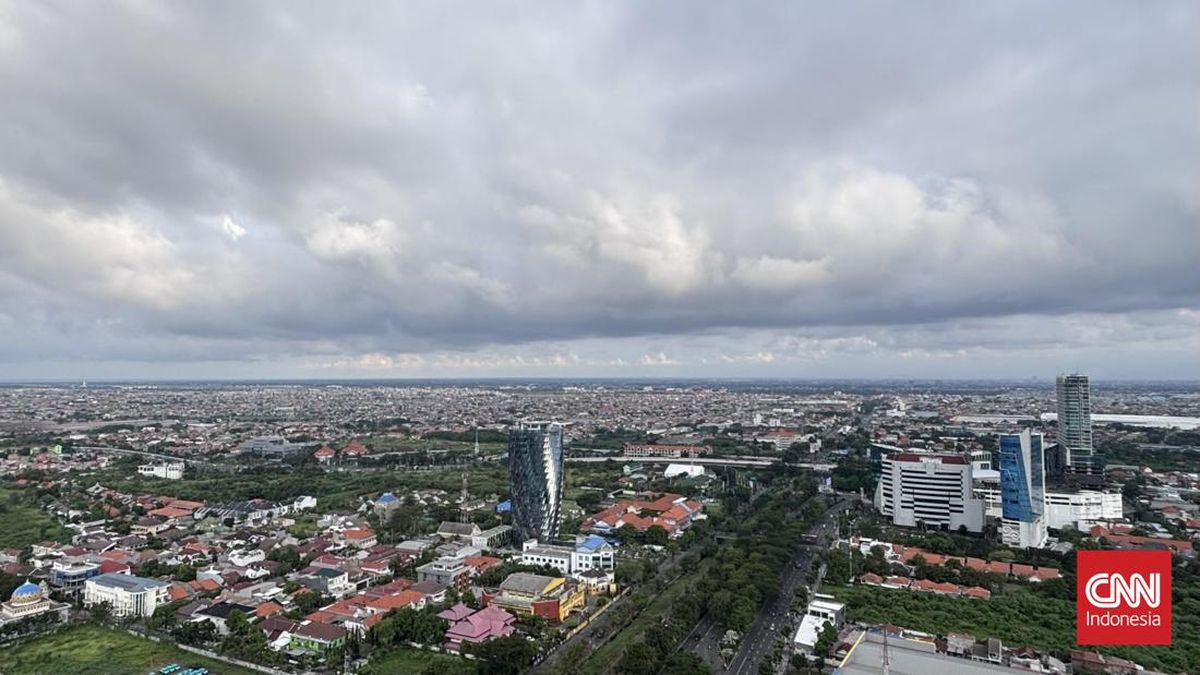
Residents of Surabaya, East Java, and its surrounding areas are currently experiencing a distinct meteorological event known locally as "fenomena bediding," characterized by significantly colder temperatures during the night and early morning hours, contrasting sharply with intense heat throughout the day. This pronounced diurnal temperature variation has prompted the local meteorological agency to issue advisories, urging the public to take necessary precautions. The anomaly, which has become a notable feature of the region’s climate patterns, underscores the complexities of seasonal transitions in tropical zones.
Understanding the "Bediding" Phenomenon: A Scientific Perspective
The "fenomena bediding" in Surabaya is not an isolated incident but a recurring atmospheric condition linked to the onset of the dry season. According to the Meteorology, Climatology, and Geophysics Agency (BMKG) Juanda, the primary driver behind this phenomenon is the minimal cloud cover prevalent during this transitional period. Restina Wardhani, a forecaster at BMKG Juanda, elaborated on the scientific mechanisms at play, explaining that the absence of a significant cloud layer allows for unimpeded radiative cooling of the Earth’s surface.
During the day, with clear skies, solar radiation intensely heats the ground and the lower atmosphere, leading to scorching temperatures. However, as evening descends, the lack of cloud cover, which typically acts as an insulating blanket, permits heat to escape rapidly from the Earth’s surface into the atmosphere. This efficient heat loss causes a drastic drop in ambient temperatures, resulting in the cold nights and mornings experienced by residents. "The air temperature feels cold, especially in the Surabaya area and its surroundings, because it has entered the dry season," Wardhani stated on Tuesday (June 2). She further clarified, "At night, cloud cover is less, which results in the air feeling cold. During the day, temperatures will feel hot." This stark contrast between daytime highs and nighttime lows is a hallmark of radiative cooling under clear, dry atmospheric conditions.
Typically, Surabaya, a bustling coastal city situated near the equator, experiences a relatively stable tropical climate with average daily temperatures ranging between 28 to 32 degrees Celsius, and nighttime lows rarely dipping below 24-26 degrees Celsius. The "bediding" phenomenon, however, pushes these nocturnal temperatures to the lower end of or even slightly below this typical range, making the chill more noticeable to inhabitants accustomed to warmer evenings.
Chronology and Forecast: A Brief but Intense Period
The current "bediding" episode commenced around early June, coinciding precisely with the official declaration of the dry season’s onset by BMKG. While the specific start date may vary slightly year to year, the pattern of cold nights following hot days is a consistent indicator. Based on BMKG’s data, the lowest temperatures recorded during this phenomenon in Surabaya are estimated to reach around 26 degrees Celsius. Although this temperature might not seem exceptionally low to those in temperate climates, it represents a significant departure from Surabaya’s usual tropical nocturnal warmth, leading to a palpable sense of cold for local residents.
Forecasters predict that these conditions are not merely fleeting but are expected to persist for several days, possibly extending into the next week, as the region firmly establishes itself in the dry season. This sustained period of temperature extremes necessitates ongoing vigilance and adaptation from the populace. The dry season in Indonesia typically runs from May to October, with peak intensity often observed between July and September. While "bediding" often manifests at the beginning and end of the dry season, the current manifestation serves as a powerful reminder of the climatic shift.
Broader Context: Indonesia’s Monsoon Climate and Atmospheric Influences
Indonesia’s climate is primarily governed by the monsoon system, characterized by two distinct seasons: the wet season and the dry season. The dry season, during which "fenomena bediding" occurs, is largely influenced by the strengthening of the Australian winter monsoon, which brings dry, cooler air masses from the Australian continent northward across Indonesia. This air mass is typically less humid and associated with high-pressure systems that suppress cloud formation.
The minimal cloud cover observed over Surabaya is a direct consequence of these atmospheric dynamics. High-pressure systems create stable atmospheric conditions that inhibit the vertical movement of air necessary for cloud development. Furthermore, the reduced humidity levels during the dry season contribute to more efficient radiative cooling, as water vapor in the atmosphere acts as a greenhouse gas, trapping heat. With less water vapor, more heat can escape into space, leading to a more pronounced temperature drop.
While not explicitly cited as a direct cause for this specific "bediding" event, broader climate phenomena such as El Niño and La Niña can also influence the intensity and duration of Indonesia’s dry seasons. El Niño, for instance, typically leads to a drier and longer dry season, potentially exacerbating conditions conducive to "bediding." Conversely, La Niña often brings a wetter dry season. BMKG constantly monitors these large-scale climate oscillations to provide more comprehensive long-range forecasts.
Health and Public Safety Advisories: Mitigating the Risks
The extreme temperature fluctuations associated with "fenomena bediding" pose several health and public safety challenges, prompting BMKG Juanda to issue comprehensive advisories. The agency has strongly urged the community to maintain their physical health and adapt to the changing weather.
During the day, when temperatures can soar and solar radiation is intense, the primary concern is heatstroke, dehydration, and skin damage. Residents who must engage in outdoor activities are advised to take proactive measures:
- Sun Protection: Always use skin protection such as long-sleeved clothing, hats, and sunglasses.
- Sunscreen: Apply sunscreen with a high SPF to exposed skin to prevent sunburn and long-term skin damage.
- Hydration: Drink plenty of water throughout the day, even if not feeling thirsty, to prevent dehydration.
- Peak Hours Avoidance: Where possible, avoid prolonged exposure to direct sunlight, especially during the hottest hours of the day (typically between 10 AM and 4 PM).
- Rest: Take frequent breaks in shaded or air-conditioned areas when working or exercising outdoors.
As night falls and temperatures plummet, different health concerns emerge. The significant drop in temperature can strain the body, particularly for vulnerable populations such as the elderly, young children, and individuals with pre-existing respiratory conditions.
- Warm Clothing: Wear appropriate warm clothing, especially during the late night and early morning hours. Layers are recommended to adapt to subtle temperature changes.
- Respiratory Health: Individuals with asthma or other respiratory issues should take extra precautions, as cold, dry air can trigger symptoms. Keeping indoor air humidified and avoiding strenuous activity during the coldest periods can help.
- Immune System Support: Maintain a balanced diet, ensure adequate rest, and stay hydrated to bolster the immune system against potential illnesses like colds and flu, which can be more prevalent during periods of temperature variability.
Local health authorities, working in conjunction with BMKG, may also reiterate these warnings through public service announcements, emphasizing the importance of seeking medical attention if symptoms of heat exhaustion, heatstroke, or severe respiratory distress arise. They might also advise on maintaining indoor air quality, as the dry season can sometimes be associated with increased dust and particulate matter in the air, especially in urban environments.
Impacts on Daily Life and Regional Considerations
Beyond health, the "bediding" phenomenon subtly influences various aspects of daily life in Surabaya. For instance, energy consumption patterns might shift, with increased demand for air conditioning during the scorching days and potentially a slight uptick in the use of warmer bedding or light heaters during the cold nights, although heating systems are less common in tropical Indonesian homes.
Agricultural sectors in the surrounding rural areas, while not directly within Surabaya city, could also feel the effects. The dry conditions generally associated with the dry season, coupled with intense daytime heat, necessitate careful water management for crops. While the colder nights do not typically pose a direct threat to tropical plants, the overall lack of rainfall is a critical factor for agricultural planning and irrigation strategies.
For urban planning, understanding these seasonal shifts is crucial. City infrastructure, from water supply systems to public health facilities, must be prepared for the demands of both extreme heat and cooler nights. This includes ensuring adequate public access to clean water and maintaining public green spaces, which can help mitigate the urban heat island effect during the day.
Looking Ahead: Preparing for Persistent Conditions
As Surabaya and other parts of Indonesia settle into the dry season, the "fenomena bediding" serves as a periodic reminder of the dynamic nature of tropical weather. While it presents certain challenges, particularly concerning health and comfort, a clear understanding of its causes and effects, coupled with proactive measures and adherence to expert advisories, can significantly mitigate its adverse impacts.
BMKG continues to monitor atmospheric conditions closely, utilizing advanced satellite imagery, radar, and ground-based observations to provide timely and accurate forecasts. These ongoing efforts are critical for public safety and for enabling various sectors, from health to agriculture, to plan and adapt effectively. Residents are encouraged to stay informed by regularly checking official weather updates from BMKG and local news outlets. By embracing preparedness and adapting daily routines, the community can navigate the contrasting temperatures of the "bediding" phenomenon and the broader dry season with resilience and well-being. The consistent messaging from authorities underscores a collective effort to safeguard public health amidst these natural climatic variations.
Related posts: