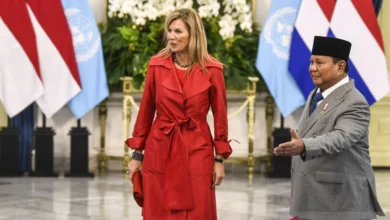
Jakarta, Indonesia – Her Majesty Queen Máxima of the Netherlands concluded a significant four-day working visit to Indonesia, spanning from Monday, November 24, to Thursday, November 27, 2025. Her presence in the archipelago was not in her capacity as Queen of the Netherlands, but rather as the United Nations Secretary-General’s Special Advocate (UNSGSA) for Inclusive Finance for Development. This crucial role underscores her global commitment to promoting financial health and access to essential financial services for all, particularly in developing nations. The comprehensive itinerary of her visit reflected this mandate, encompassing a series of strategic meetings and activities focused on advancing financial inclusion and the overall financial well-being of communities across Indonesia.
Background on the UNSGSA Role and Financial Inclusion
Queen Máxima has served as the UNSGSA since 2009, leveraging her extensive experience in microfinance and economic development to advocate for universal access to affordable, useful, and safe financial products and services. The UNSGSA’s mandate is to raise awareness, encourage action, and facilitate collaboration among governments, regulators, the private sector, and civil society organizations to achieve financial inclusion goals. This role is directly aligned with several of the United Nations Sustainable Development Goals (SDGs), including poverty eradication (SDG 1), gender equality (SDG 5), decent work and economic growth (SDG 8), and reducing inequalities (SDG 10). Financial inclusion is recognized as a powerful enabler for sustainable development, empowering individuals and small businesses to manage their finances, invest in their futures, and build resilience against economic shocks. It allows for better access to education, healthcare, and housing, ultimately contributing to broader economic stability and social equity.
Indonesia, as the world’s fourth most populous nation and a rapidly growing economy, presents both immense opportunities and significant challenges in achieving comprehensive financial inclusion. Despite considerable progress in recent years, a substantial portion of its population, particularly those in rural areas, women, and micro, small, and medium-sized enterprises (MSMEs), still lack adequate access to formal financial services. The Indonesian government, through institutions like the Financial Services Authority (OJK) and Bank Indonesia (BI), has set ambitious targets to increase financial inclusion rates, recognizing its vital role in fostering equitable economic growth and reducing poverty. Digitalization has emerged as a key strategy, with the widespread adoption of mobile technology offering new pathways to reach previously underserved populations.
This visit marked Queen Máxima’s fifth trip to Indonesia in her capacity as UNSGSA. Her previous visits in 2012, 2016, and 2018 were instrumental in fostering dialogue and progress on financial inclusion initiatives. Her only visit as Queen of the Netherlands was in 2020, accompanying King Willem-Alexander during a state visit, highlighting the multifaceted relationship between the two nations. Born on May 17, 1971, Queen Máxima married King Willem-Alexander in 2002 in Amsterdam, Netherlands, and has since dedicated a significant portion of her public service to global development issues.
Chronology of the Working Visit: A Deep Dive into Financial Health Initiatives
The three-day working mission, from Tuesday, November 25, to Thursday, November 27, 2025, saw Queen Máxima traversing various regions, from the industrial heartlands of Central Java to the bustling urban centers of Jakarta and the burgeoning satellite cities of West Java. Each stop was carefully chosen to showcase diverse aspects of financial inclusion and to engage with a wide array of stakeholders.
Tuesday, November 25: Focus on Grassroots Empowerment and MSMEs
Queen Máxima commenced her intensive working agenda in Central Java, a region known for its vibrant industries and rich cultural heritage. Her first stop was a garment factory in Sragen Regency. The garment sector is a significant employer in Indonesia, particularly for women, and often presents unique challenges and opportunities for financial education. During her visit, Queen Máxima engaged with factory workers, discussing their experiences with financial management, wage payments, and access to basic financial products like savings accounts and micro-insurance. The discussions likely highlighted the importance of financial literacy programs tailored to industrial workers, enabling them to better manage their income, save for future needs, and protect themselves against unforeseen circumstances. Such initiatives are crucial for enhancing the economic resilience of individual workers and their families, fostering a more stable workforce, and contributing to overall economic productivity.
Following her engagement in Sragen, Queen Máxima journeyed to the city of Solo (Surakarta) to visit Kampung Batik Laweyan. This historic batik village is a testament to Indonesia’s rich artistic traditions and a hub for numerous MSMEs. Here, the focus shifted to the financial health of small entrepreneurs and artisans. Discussions centered on access to capital for business expansion, the adoption of digital payment solutions, and the challenges faced by traditional craftspeople in a rapidly modernizing economy. Queen Máxima’s interaction with batik artisans and business owners underscored the critical role of financial services in preserving cultural heritage while simultaneously fostering economic growth at the community level. Access to micro-loans, digital wallets for transactions, and financial management training can significantly empower these entrepreneurs to scale their businesses, reach broader markets, and ensure sustainable livelihoods.
The day concluded with Queen Máxima attending an event hosted by Women’s World Banking at the majestic Pura Mangkunegaran in Solo. Women’s World Banking is a global non-profit organization dedicated to designing and investing in financial solutions for women. At this event, Queen Máxima engaged in a dynamic dialogue with young people, university students, and entrepreneurs. The conversations delved into their experiences with using various financial products and services, exploring both the opportunities and obstacles they encounter. This segment of the visit was particularly significant as it highlighted the importance of financial innovation and products that are specifically tailored to the needs of women and youth, who often face distinct barriers to financial access and literacy. Empowering these demographics with financial tools is key to unlocking their full economic potential and driving inclusive development. The discussions likely touched upon digital financial services, financial education platforms, and mentorship programs that can foster a new generation of financially savvy individuals and entrepreneurs.
Wednesday, November 26: Policy Dialogue and Sustainable Solutions
The second day of the working mission commenced in Jakarta, the nation’s capital, with a focus on policy-level discussions and innovative development models. Queen Máxima participated in a roundtable discussion at the local United Nations office with various development organizations. This high-level forum provided an opportunity to discuss synergistic approaches to advancing financial inclusion across different sectors, reviewing existing programs, identifying gaps, and strategizing on how to maximize collective impact. Topics likely included data collection and analysis to inform policy, regulatory frameworks that foster innovation while ensuring consumer protection, and multi-stakeholder partnerships to scale successful initiatives. Such discussions are vital for ensuring that financial inclusion efforts are coordinated, efficient, and aligned with national development priorities and the broader UN Sustainable Development Goals.
Later in the morning, Queen Máxima visited the International Finance Corporation (IFC), a member of the World Bank Group. The IFC is the largest global development institution focused on the private sector in emerging markets. Her discussions at the IFC centered on the development of innovative lending products and investment strategies that contribute to economic growth and financial health. This included exploring how the private sector can play a more significant role in extending financial services to underserved populations, particularly through impact investing and sustainable finance initiatives. The conversation likely highlighted the importance of blending public and private capital to de-risk investments in new markets and technologies, fostering sustainable business models that deliver both financial returns and social impact.
In the afternoon, Queen Máxima journeyed to Kabupaten Bekasi, West Java, to visit the Gran Harmoni Cibitung subsidized housing complex. This innovative project provides low-emission homes for low- and middle-income communities, addressing a critical need for affordable housing. During her visit, she was warmly welcomed into a resident’s home and engaged with representatives of first-time homebuyers, hearing firsthand about their journeys to homeownership. This stop was particularly notable as it showcased a unique and sustainable approach to housing finance. Queen Máxima subsequently inspected a "bank sampah" (waste bank) system, which offers residents an unconventional method to pay their housing installments by depositing sorted waste. This ingenious model not only promotes environmental sustainability and waste management but also provides a flexible and accessible payment mechanism for those with irregular incomes, integrating financial services with broader community development goals. She also observed the contract signing process for dozens of prospective homeowners, witnessing the tangible impact of these inclusive financial solutions. The Gran Harmoni Cibitung initiative, supported by institutions like PT Bank Tabungan Negara (Persero) Tbk (BTN), exemplifies how financial innovation can address multiple development challenges simultaneously, from housing affordability to environmental stewardship and financial access.
The day concluded back in Jakarta with a visit to Deloitte Indonesia. Here, Queen Máxima engaged with employers to discuss their role in contributing to the financial health of their employees and clients. This session explored the concept of employee financial wellness programs, which can include financial literacy training, access to affordable credit, and retirement planning. Recognizing that employees’ financial stress can impact productivity and well-being, the discussion emphasized how corporations can implement policies and offer services that foster a financially resilient workforce. This reflects a growing understanding that financial health is not just an individual responsibility but also a shared one, with significant implications for businesses and the wider economy.
Thursday, November 27: High-Level Policy Engagement and Future Directions
On the final day of her visit, Queen Máxima dedicated her agenda to high-level policy engagement in Jakarta, aiming to consolidate insights and foster future collaborations. She participated in a crucial financial literacy agenda alongside key Indonesian financial authorities: the Financial Services Authority (OJK), Bank Indonesia (BI), and the Ministry of Finance (Kemenkeu) of the Republic of Indonesia. This meeting served as a platform to discuss national strategies for improving financial literacy, enhancing consumer protection, and accelerating the adoption of digital financial services. The dialogue likely covered regulatory sandboxes for fintech innovations, public awareness campaigns, and the integration of financial education into school curricula. The collective expertise of these institutions, combined with the global perspective offered by the UNSGSA, is invaluable for shaping robust and inclusive financial policies that cater to the evolving needs of the Indonesian population.
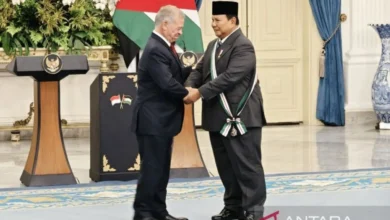
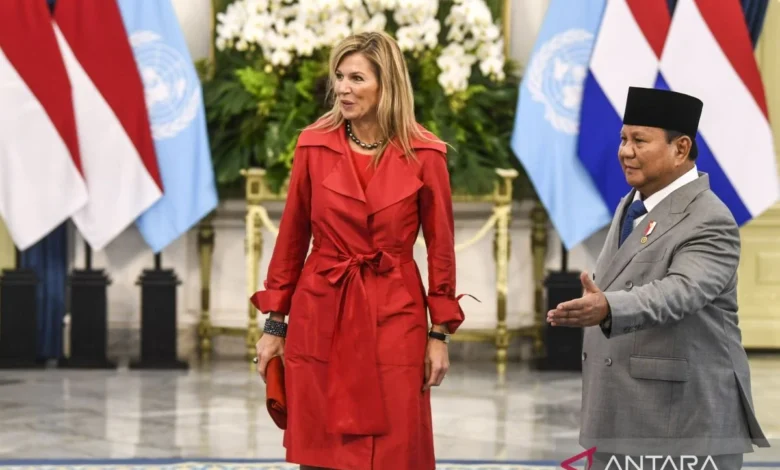
The culmination of Queen Máxima’s visit was a highly anticipated meeting with President of Indonesia, Prabowo Subianto, at the Merdeka Palace in Jakarta. This private meeting, followed by a luncheon, provided an opportunity for Queen Máxima to convey her findings and impressions from her extensive engagements across the country. She was expected to present key observations on the progress made in financial inclusion, highlight persistent challenges, and offer recommendations for further action. The discussion likely touched upon areas for continued collaboration between Indonesia and the United Nations, particularly in leveraging digital technology for greater financial access, empowering women and MSMEs, and fostering sustainable financial ecosystems. Presidential meetings of this nature are instrumental in solidifying political commitment to financial inclusion goals and can pave the way for new policy initiatives and bilateral partnerships. President Subianto was expected to express appreciation for Queen Máxima’s dedicated advocacy and to reiterate Indonesia’s commitment to achieving its financial inclusion targets as part of its broader development agenda.
Broader Impact and Implications
Queen Máxima’s working visit to Indonesia as UNSGSA carries significant implications for the country’s financial inclusion landscape and its standing on the global development stage. Her presence and engagement serve to:
- Elevate Awareness and Political Will: High-profile visits from a global advocate like Queen Máxima draw international attention to Indonesia’s financial inclusion efforts, potentially galvanizing greater political will and resource allocation from both domestic and international stakeholders.
- Facilitate Knowledge Exchange and Best Practices: By interacting with diverse groups, from grassroots communities to top policymakers, Queen Máxima fosters a rich exchange of ideas and showcases best practices that can be replicated or scaled up. The focus on innovative solutions like waste-for-mortgage schemes highlights Indonesia’s potential as a leader in creative development models.
- Reinforce International Partnerships: The visit strengthens the collaborative ties between Indonesia, the United Nations, and other international development organizations, potentially leading to increased technical assistance, funding, and expertise in financial inclusion.
- Inspire Innovation and Digital Transformation: The emphasis on digital financial services throughout the visit underscores the critical role of technology in reaching underserved populations. Queen Máxima’s advocacy can encourage further innovation in fintech and the development of user-friendly, secure digital platforms.
- Contribute to Sustainable Development Goals: By directly addressing access to finance for housing, MSMEs, and vulnerable populations, the visit directly contributes to Indonesia’s progress towards multiple SDGs, including poverty reduction, gender equality, economic growth, and sustainable cities and communities.
- Empower Vulnerable Groups: The specific focus on women, youth, and low-income communities reinforces the principle that financial inclusion is a powerful tool for empowerment, enabling these groups to participate more fully in the economy and improve their quality of life.
In conclusion, Queen Máxima’s latest visit to Indonesia as the UNSGSA was a meticulously planned and impactful journey, underscoring the enduring commitment to fostering financial health and inclusive development. Her engagements across different sectors and regions provided a holistic view of Indonesia’s progress and challenges, reinforcing the notion that financial inclusion is a cornerstone of sustainable and equitable growth. The insights gathered and the dialogues initiated during this visit are expected to catalyze further action, innovation, and collaboration, propelling Indonesia closer to its vision of a financially inclusive society where every individual has the opportunity to thrive.