President Prabowo Subianto Expresses Pride in Indonesian-Made TNI Vehicles, Prioritizing National Industry Over Cost

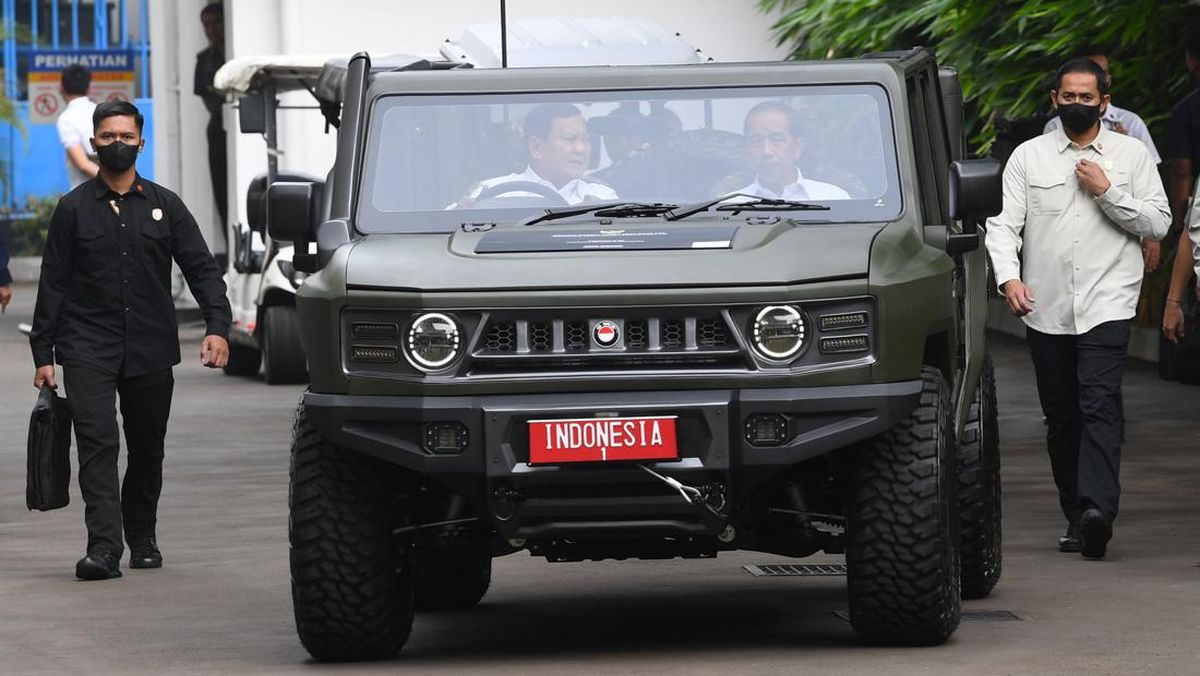
President Prabowo Subianto has voiced his deep satisfaction with the Indonesian National Armed Forces’ (TNI) adoption of the domestically produced Maung jeep as an operational vehicle. This decision, he explained, underscores a strategic commitment to bolstering Indonesia’s automotive and defense industries, even when faced with higher costs compared to imported alternatives. The President made these remarks during his address at the TNI’s Harvest Festival in Support of Food Security Programs, held at Abdulrachman Saleh Air Base in Malang Regency, East Java, on Friday, July 17th.
The genesis of this nationalistic procurement decision traces back to Prabowo’s tenure as Minister of Defense. During that period, the TNI presented him with various operational vehicle options. "I was presented with options, ‘Sir, this jeep is good, Sir, it’s cheap, made abroad. This one is made in Indonesia but is more expensive, Sir, because we are just starting.’ Well, if I choose the cheaper jeep, when will Indonesia have its own jeep?" Prabowo recounted, as quoted by Antara news agency on the same day.
This pivotal moment highlighted a deliberate choice to invest in the nation’s manufacturing capabilities. Prabowo ultimately opted for the Maung, a vehicle engineered by Indonesian talent, despite its higher price tag. He articulated that this move represents a crucial investment in cultivating the nation’s defense industry and overall manufacturing prowess. "So, I chose the one that’s a bit more expensive but made by our own Indonesian children, namely the Maung. Which our officers are now using. Our officers are using the Maung," he stated.
The Maung is a tactical vehicle developed and manufactured by PT Pindad, a state-owned defense enterprise. As previously disclosed by Cabinet Secretary Teddy Indra Wijaya, over 3,200 units of the Maung had been produced by May 2026. President Prabowo himself has been observed utilizing this Indonesian-made vehicle since his inauguration on October 20, 2024, symbolizing a tangible commitment to national products from the highest office.
Expanding the Footprint: Maung and Electric Motorcycles for TNI Ranks
The integration of domestically produced vehicles within the TNI is not confined to senior officers. President Prabowo elaborated on the expanding utilization of national products, noting that the Maung is now being adopted by various levels of command. He specifically mentioned that a number of Sub-District Military Commanders (Danramil) have begun utilizing the Maung as their official duty vehicles. This suggests a phased rollout, prioritizing key leadership positions to showcase and embed the use of these national assets.
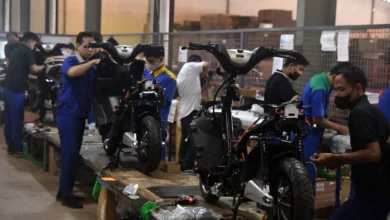
Furthermore, the President highlighted a parallel initiative to equip Village Guidance Non-Commissioned Officers (Babinsa) with electric motorcycles. This move aims to enhance their mobility and effectiveness in supporting their duties in rural and community-level operations. "I heard Danramil are already using jeeps too, right? They look dashing. Well, it can’t all be at once. Babinsa have started receiving motorcycles, electric motorcycles," Prabowo remarked, underscoring the differentiated yet comprehensive approach to national vehicle deployment across different TNI roles.
The Dawn of a National Electric Motorcycle
In the same address, President Prabowo unveiled an ambitious plan for Indonesia to soon possess its own national electric motorcycle. The launch of this initiative is anticipated within the coming weeks. "In a short while, we will have a national motorcycle. I will be launching a national electric motorcycle in the next few weeks," the President announced.
This development is positioned not just as a technological advancement but as a move to provide more efficient and accessible transportation solutions for the wider Indonesian populace, including farmers. The president expressed his hope that this national electric motorcycle would be widely adopted, contributing to a more sustainable and cost-effective transportation ecosystem.
The overarching development of these national vehicles, from the Maung jeep to the forthcoming electric motorcycle, is framed by the government as a testament to its optimism and commitment to enhancing the capabilities of domestic industries. Prabowo conveyed a sense of national pride whenever he witnesses the Maung in use across different regions, viewing it as a clear demonstration of the ingenuity and manufacturing capacity of Indonesian citizens. "So now when you see jeeps in the city, I’m proud too. The TNI is now using its own jeeps," he concluded, emphasizing the symbolic and practical significance of these homegrown vehicles.
A Strategic Pivot Towards Self-Sufficiency
The decision to prioritize the Indonesian-made Maung jeep over cheaper imported alternatives represents a significant strategic pivot for the Indonesian military’s procurement policies. Historically, defense procurement has often leaned towards established international suppliers due to perceived cost-effectiveness and technological maturity. However, President Prabowo’s stance signals a deliberate shift towards fostering domestic industrial capabilities, even at a potentially higher initial investment.
This approach aligns with broader national development goals aimed at reducing reliance on foreign imports, boosting local employment, and developing a robust defense manufacturing sector. The selection of the Maung, a product of PT Pindad, a state-owned enterprise, further underscores the government’s commitment to strengthening its public sector industries.
The Maung: A Deeper Dive into its Capabilities and Production
The Maung, officially designated as a light tactical vehicle, has been developed to meet the specific operational needs of the Indonesian military. While detailed technical specifications are often classified for defense equipment, publicly available information suggests it is designed for versatility, capable of serving in reconnaissance, troop transport, and command and control roles. Its rugged construction is expected to be suitable for the diverse terrains found across Indonesia, from urban environments to more challenging rural landscapes.
The production of over 3,200 units by May 2026 indicates a substantial commitment to scaling up manufacturing. This volume suggests that the Maung is intended for widespread deployment across various TNI units, not merely as a symbolic gesture but as a functional replacement for existing operational vehicles. The phased introduction, starting with officers and expanding to Danramil, allows for operational testing, feedback integration, and logistical acclimatization before broader deployment.
The mention of electric motorcycles for Babinsa also points to a forward-looking approach to military logistics. Electric vehicles offer potential benefits such as reduced operational costs, lower emissions, and quieter operation, which can be advantageous in certain operational contexts. The development of a "national electric motorcycle" further suggests an ambition to create a complete ecosystem of domestically produced sustainable transportation solutions.
Economic and Industrial Implications
The ramifications of this policy extend beyond military readiness. The sustained investment in domestic vehicle manufacturing, such as the Maung and the national electric motorcycle, can stimulate economic growth through several channels:
- Job Creation: Increased production necessitates a larger workforce in manufacturing, assembly, research and development, and supply chain management. This directly contributes to employment opportunities within Indonesia.
- Technological Advancement: The pursuit of advanced defense and automotive technologies drives innovation. This can lead to spin-off technologies applicable to civilian sectors, fostering a more dynamic and competitive industrial landscape.
- Supply Chain Development: The demand for components and raw materials for these vehicles encourages the growth of local suppliers. This strengthens the domestic industrial base and reduces reliance on imported parts.
- Export Potential: As Indonesian industries mature and gain international recognition for quality and capability, there is potential for future export markets, further boosting the national economy.
However, the statement acknowledging the higher cost of the Maung also raises important considerations regarding fiscal responsibility and long-term cost-benefit analysis. While the strategic imperative for self-sufficiency is clear, ensuring that these investments are sustainable and deliver optimal value for the defense budget remains a critical challenge. This may involve ongoing efforts to optimize production processes, achieve economies of scale, and potentially explore export markets to offset development costs.
Reactions and Broader Context
While the article focuses on President Prabowo’s statements, it is reasonable to infer that the decision to prioritize domestic production would be met with varied reactions. Industry stakeholders, including PT Pindad and associated suppliers, would likely welcome the government’s strong endorsement and the substantial orders. Local automotive industry associations and labor unions would also likely view this as a positive development for job security and industrial growth.
Conversely, elements within the defense community might express concerns about potential compromises in performance or availability compared to established foreign suppliers, especially during the initial phases of domestic production. However, the President’s clear articulation of the long-term vision—building national capacity and reducing foreign dependency—provides a strong rationale for overcoming these initial challenges.
The geopolitical context also plays a role. In an era of global supply chain disruptions and heightened geopolitical tensions, nations are increasingly seeking to enhance their strategic autonomy. Investing in domestic defense industrial capabilities is a key component of this strategy, ensuring that a nation can maintain its security and operational readiness irrespective of external factors.
Looking Ahead: A National Industrial Vision
President Prabowo’s emphasis on the Maung and the impending launch of a national electric motorcycle are indicative of a broader vision for Indonesia’s industrial future. This vision hinges on leveraging national talent and resources to create high-value products, thereby fostering economic independence and strengthening national resilience. The narrative around these vehicles is not just about procurement; it is about building pride, fostering innovation, and asserting Indonesia’s capacity on the global stage. The success of these initiatives will be a critical measure of the nation’s progress towards its ambitious industrial development goals.
Related posts: