Indonesia Streamlines Civil Administration: Eliminating RT/RW Letters for Key Public Services to Enhance Efficiency and Accessibility Nationwide

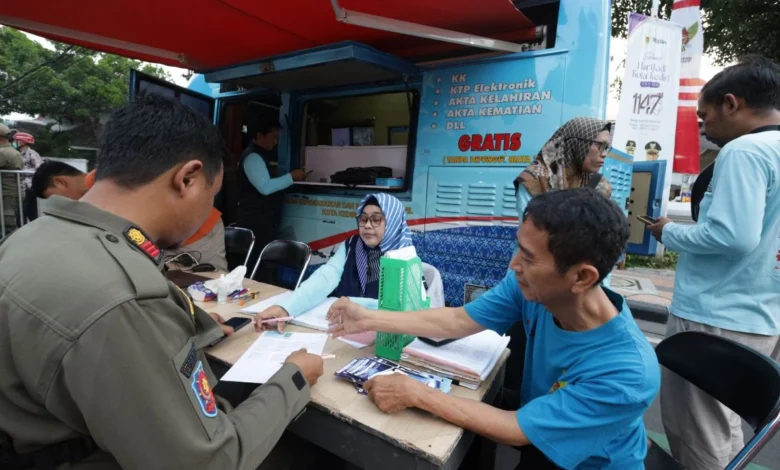
Jakarta, Indonesia – In a significant stride towards bureaucratic reform and improved public service delivery, the Indonesian government has officially eased the requirements for a host of essential civil administration services, abolishing the mandatory introductory letters from local community units (RT/RW) and sub-districts (kelurahan). This landmark policy, championed by the Directorate General of Population and Civil Registration (Dukcapil) under the Ministry of Home Affairs (Kemendagri), aims to drastically accelerate service times, reduce administrative burdens on citizens, and enhance the overall accessibility of vital population documents across the archipelago. The move is a testament to the government’s commitment to creating a more responsive and efficient public sector, aligning with its broader agenda of digital transformation and good governance.
Policy Overview and Scope of Services
Under the new directive, a wide array of administrative services that previously necessitated multiple layers of bureaucratic approval at the community level can now be processed directly through the local Civil Registry and Population Office (Dinas Kependudukan dan Pencatatan Sipil, or Disdukcapil). This simplification is expected to cut down processing times from days or even weeks to mere hours or a few days, depending on the complexity of the service and the operational capacity of the local Disdukcapil office.
The services that no longer require introductory letters from RT/RW or kelurahan officials include:
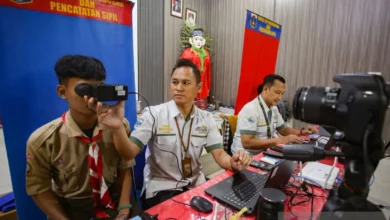
- Electronic Identity Cards (KTP-el): Citizens seeking to record their biometrics, apply for their first KTP-el, or update existing data on their KTP-el can now approach the Disdukcapil directly. This bypasses a common bottleneck, ensuring quicker issuance and data accuracy.
- Family Cards (Kartu Keluarga – KK): Applications for new Family Cards, updates to existing ones (such as changes in family data, additions of new family members, or modifications to specific data elements), are streamlined. This is particularly impactful for families undergoing life changes like births, marriages, or relocations.
- Letters of Domicile Transfer (Surat Keterangan Pindah Domisili): The process of officially registering a change of residence within or between regions has been significantly simplified. Individuals are now only required to submit their application to Disdukcapil with necessary supporting documents, such as their existing Family Card, and complete a population transfer application form. This critical change is underpinned by Presidential Regulation Number 96 of 2018 and Minister of Home Affairs Regulation Number 108 of 2019, which set the legal framework for these modernised procedures.
- Birth Certificates (Akta Kelahiran): The registration of births and the issuance of birth certificates are now more accessible. While supporting documents like a birth certificate from a healthcare facility, Family Card, and parental documents are still required, the RT/RW letter is no longer a primary prerequisite, especially for individuals whose data is already integrated into the national population administration system.
- Death Certificates (Akta Kematian): Similar to birth certificates, the processing of death certificates can be initiated directly at Disdukcapil with the submission of relevant supporting documents as per existing regulations, removing an often emotionally taxing administrative hurdle for grieving families.
- Child Identity Cards (Kartu Identitas Anak – KIA): The application for KIA, mandatory identification for children under 17 and unmarried, also falls under the simplified regime. Parents can apply directly to Disdukcapil with family documents, provided the child’s data is already recorded in the population database.
Historical Context and the Rationale for Reform
For decades, the introductory letter system served as a foundational layer of community-level verification and data collection within Indonesia’s vast and diverse administrative structure. The RT (Rukun Tetangga, neighborhood unit) and RW (Rukun Warga, citizens’ association) are the lowest administrative tiers, led by elected community members. Their letters were intended to verify residency, confirm family composition, and provide initial vetting for various civil services, acting as a crucial bridge between citizens and higher administrative bodies like the kelurahan (sub-district) and kecamatan (district).
While initially designed to ensure local knowledge and prevent fraud in a predominantly paper-based system, this multi-layered verification process eventually evolved into a significant source of bureaucratic inefficiency and public frustration. Citizens often faced multiple visits, inconsistent requirements, and sometimes even unofficial fees to obtain these introductory letters before they could even begin processing their main documents at Disdukcapil. This created unnecessary delays, particularly for those living in remote areas or with limited mobility, and added to the overall cost of public services for the average citizen. The system was seen by many as outdated in an era of digital databases and integrated population information systems.
The decision to streamline these procedures is a direct response to these long-standing challenges. It reflects a broader governmental push, championed by President Joko Widodo’s administration, to enhance bureaucratic efficiency, foster good governance, and improve Indonesia’s global ranking in ease of doing business. The Ministry of Home Affairs, through Dukcapil, has been at the forefront of this reform, aiming to leverage modern technology and centralize data management to eliminate redundant steps.
Official Statements and Vision for the Future
The Director-General of Dukcapil, a key figure in implementing this policy, has consistently emphasized that the simplification of requirements is a cornerstone of the effort to elevate the quality of population administration services. "Our goal is clear: to make public services more accessible, more transparent, and more efficient for all Indonesian citizens," stated a representative from Dukcapil. "By removing the requirement for RT/RW letters for most services, we are empowering citizens to directly access the services they need, reducing unnecessary intermediaries and potential for delays."
This policy is also deeply intertwined with Kemendagri’s vision for a fully integrated and digitalized population administration system. The ministry asserts that with the establishment of a robust national population database (Basis Data Kependudukan), the traditional function of local verification through paper letters has largely become obsolete. The focus is now on ensuring the accuracy and integrity of data at the point of entry into the central system, rather than through multiple manual checks.
Implementation and the Role of Digital Transformation
The rollout of this streamlined policy is being complemented by a robust push for digital transformation in public services. Many local governments across Indonesia are developing and expanding online platforms to facilitate population administration. For instance, the Provincial Government of DKI Jakarta has been a pioneer in this regard, offering not only traditional walk-in services at its Disdukcapil offices but also through its innovative "Alpukat Betawi" mobile application. This application allows Jakarta residents to apply for various population documents, track their application status, and even receive digital documents, all from the convenience of their smartphones.
Beyond Jakarta, numerous other provinces and cities are implementing similar e-government initiatives, developing dedicated websites, mobile apps, and integrated online portals for Dukcapil services. These digital platforms are crucial for the successful implementation of the new policy, as they provide alternative channels for citizens to access services directly, reducing the need for physical visits and further expediting processes. However, the successful adoption of these digital tools necessitates ongoing efforts to bridge the digital literacy gap, particularly in rural and remote areas, and to ensure equitable access to reliable internet infrastructure.
Impact on Citizens and Local Governance
The immediate and most palpable impact of this policy is on the average Indonesian citizen. They stand to gain significant time savings, reduced transportation costs, and a more straightforward, less intimidating bureaucratic experience. This increased efficiency translates into less time spent away from work or family, contributing to overall economic productivity and personal well-being. For marginalized groups, including those with disabilities or living in remote areas, the removal of cumbersome steps can significantly improve their access to fundamental rights and services.
However, the policy also necessitates a re-evaluation of the roles of RT/RW and kelurahan officials. While their direct involvement in the initial stages of population document processing is diminished, their critical role in community welfare, local dispute resolution, and facilitating communication between residents and higher government bodies remains indispensable. Some local officials may welcome the reduction in their administrative workload, allowing them to focus on other community development initiatives. Others may need guidance and support to adapt to these changes and understand their evolving responsibilities in a more digitalized administrative landscape. It is anticipated that RT/RW and kelurahan will continue to play a vital role in community data collection for non-Dukcapil purposes, such as social assistance programs or local security monitoring.
Challenges, Safeguards, and Broader Implications
While the policy is largely lauded for its positive intent, its successful long-term implementation requires careful consideration of potential challenges. The original article highlights that introductory letters may still be required under specific conditions, particularly for individuals who are not yet registered in the national population database, for example, to obtain a new National Identity Number (NIK) or be recorded in a Family Card for the first time. These exceptions underscore the importance of maintaining robust verification mechanisms to prevent identity fraud and ensure data integrity.
Dukcapil must continue to invest in strengthening its central database, enhancing cybersecurity measures, and training its staff to handle direct applications efficiently and accurately. Furthermore, the transition necessitates public awareness campaigns to ensure that all citizens are informed of the new procedures and understand how to access services, whether online or offline. Addressing potential infrastructure disparities, particularly in remote regions, will also be key to ensuring equitable access to these streamlined services.
This administrative reform is not an isolated event but rather a crucial component of Indonesia’s broader national development strategy. By fostering greater efficiency and transparency in public services, the government aims to enhance public trust, reduce corruption risks, and create a more conducive environment for economic growth and social development. The streamlining of civil administration processes serves as a powerful testament to the government’s commitment to modernizing its state apparatus and delivering tangible benefits directly to its citizens. As Indonesia continues its journey towards a more integrated and digitalized future, such reforms set a vital precedent for future administrative simplifications across other sectors, ultimately paving the way for a more responsive and citizen-centric bureaucracy.
Pewarta: M. Hilal Eka Saputra Harahap
Editor: Suryanto
Copyright © ANTARA 2026
Dilarang keras mengambil konten, melakukan crawling atau pengindeksan otomatis untuk AI di situs web ini tanpa izin tertulis dari Kantor Berita ANTARA.