Japanese Automakers and Indonesian Association Accused of Slowing Electric Vehicle Transition


Jakarta, Indonesia – A recent analysis by InfluenceMap, a climate and finance think tank, has pointed fingers at major Japanese automotive manufacturers—Toyota, Honda, and Suzuki—along with the Indonesian Automotive Industry Association (Gaikindo), alleging their lobbying efforts between 2023 and 2026 have actively hindered Indonesia’s transition to electric vehicles (EVs). This strategy, according to the analysis, is a "misstep" that could prolong the nation’s reliance on imported oil and impede its decarbonization goals.
Muhammad Risky, an Indonesian analyst at InfluenceMap, stated that the nation’s significant dependence on imported fuel makes decarbonizing the transportation sector and ensuring energy security intrinsically linked. "The Indonesian government has recognized this and made energy independence one of its national objectives," Risky explained during an online briefing on Friday, July 24th. "However, many industry proposals point in the opposite direction, extending Indonesia’s dependence on foreign fossil fuels."
The InfluenceMap report highlights the substantial market share held by these Japanese manufacturers. In 2025, Toyota, Honda, and Suzuki collectively controlled approximately 74% of the Indonesian vehicle market. Furthermore, their leadership positions within Gaikindo grant them significant sway over the direction of transportation decarbonization policies in the archipelago.
This comes at a time when President Prabowo Subianto has repeatedly emphasized the critical importance of reducing dependence on imported fuels and bolstering national energy resilience through electrification. The analysis suggests that industry advocacy aimed at prolonging the use of internal combustion engine (ICE) vehicles, particularly during the crucial discussions surrounding the National Electric Vehicle Roadmap and new EV incentive policies scheduled for 2026, could undermine these national ambitions.
Industry Advocacy vs. National Goals: A Divergent Path
The core of InfluenceMap’s accusation lies in the automotive industry’s lobbying efforts to maintain the long-term viability of hybrid vehicles, which still rely on ICE technology. This advocacy appears to be in direct opposition to the government’s stated aim of reducing oil import dependency.
A key turning point identified in the analysis is the government’s decision in December 2024 to expand existing incentives, initially designed for Battery Electric Vehicles (BEVs), to also include ICE-based hybrid vehicles. The report suggests that the automotive industry has continued to push for further incentives for ICE-based vehicles in anticipation of a new incentive package expected later this year.
"Toyota, Honda, Suzuki, and Gaikindo are advocating for sustained policy support for hybrid vehicles, which could potentially delay the transition to BEVs in Indonesia," Risky stated.
Challenging Industry Narratives
InfluenceMap’s analysis directly challenges three key narratives advanced by Toyota, Honda, Suzuki, and Gaikindo:
- Incentives for ICE-based vehicles will drive market growth: The report counters this by pointing to the rapid growth of EV sales in Indonesia over the past five years, suggesting a burgeoning demand independent of continued ICE support.
- Hybrid vehicles are more suitable for Indonesian road conditions: This claim is questioned by the analysis, which implies that EVs are increasingly viable and that this narrative may be used to maintain market share for existing technologies.
- Transportation decarbonization policies should remain "technology neutral": InfluenceMap argues that this stance, while seemingly balanced, allows for continued investment in and promotion of fossil fuel-dependent technologies, thereby slowing down the necessary transition to zero-emission vehicles.
"Based on publicly available evidence, this analysis refutes all three narratives," Risky asserted. "EV sales in Indonesia have grown robustly in the last five years, while a separate study indicates that BEVs can achieve significantly greater emission reductions compared to hybrid vehicles, even with Indonesia’s current electricity mix."
A Coordinated Strategy?
These findings echo previous research by InfluenceMap, which has documented a coordinated strategy by the automotive industry, particularly Toyota and the Japan Automobile Manufacturers Association (JAMA), to slow down the transition to electric vehicles in various developing markets, including Indonesia. This strategy reportedly involves lobbying governments and shaping public discourse to favor incremental changes over rapid adoption of zero-emission technologies.
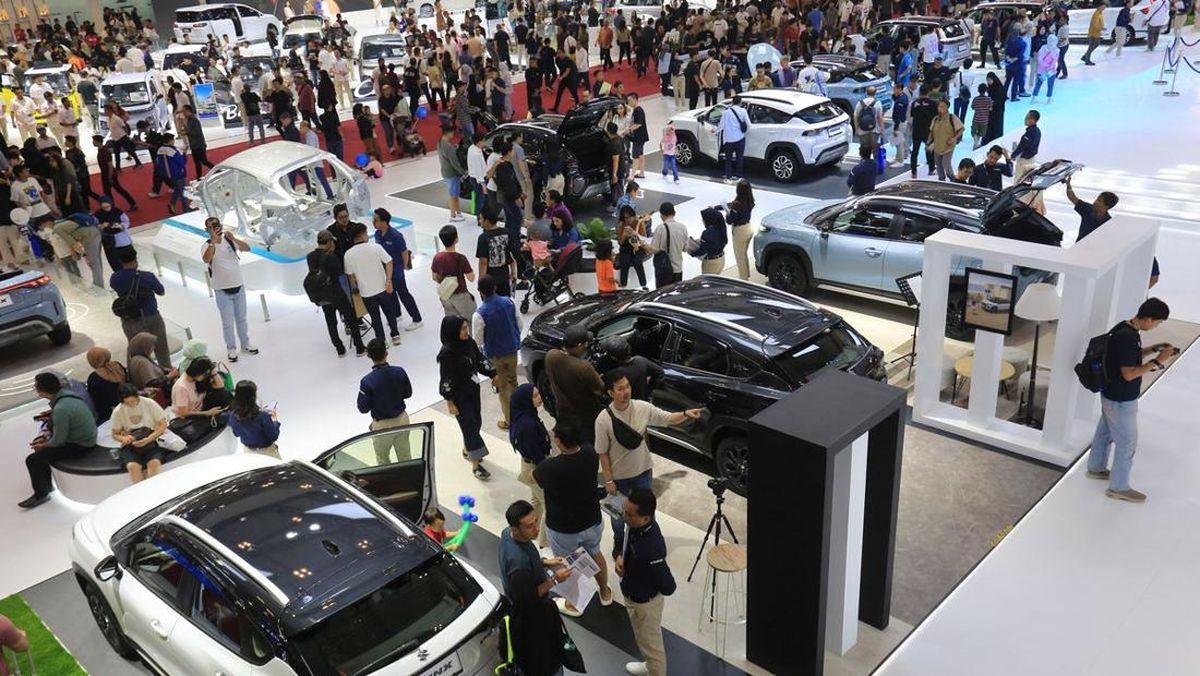
The implications of this alleged lobbying are far-reaching. Prolonging the dominance of ICE vehicles, even in hybrid forms, means continued demand for gasoline and diesel, thereby perpetuating Indonesia’s reliance on oil imports. This not only impacts the nation’s trade balance but also its energy security, making it vulnerable to global oil price fluctuations and supply chain disruptions.
Furthermore, the delay in EV adoption contradicts the global momentum towards cleaner transportation. Many developed nations have set ambitious targets for phasing out ICE vehicle sales, and failing to keep pace could leave Indonesia behind in the global automotive technological race.
Background Context: Indonesia’s Energy and Transportation Landscape
Indonesia, as a major oil producer historically, has faced the dual challenge of managing its natural resources while also grappling with a rapidly growing domestic energy demand. The transportation sector is a significant contributor to this demand, and its reliance on fossil fuels has long been a concern for policymakers aiming for energy independence and environmental sustainability.
The Indonesian government has, in recent years, recognized the urgency of transitioning to cleaner energy sources. The development of the National Electric Vehicle Roadmap is a testament to this commitment. This roadmap aims to create a conducive ecosystem for EV adoption, encompassing infrastructure development, manufacturing incentives, and consumer awareness campaigns. However, the success of such initiatives hinges on strong policy support and a clear direction away from fossil fuels.
The Role of Gaikindo
Gaikindo, as the official industry association, plays a crucial role in representing the interests of all automotive manufacturers operating in Indonesia. Its influence on policy discussions is considerable, and its stance on electrification is closely watched. The association’s alignment with the lobbying efforts of its member companies, particularly the dominant Japanese automakers, suggests a unified front in shaping the future of Indonesia’s automotive sector.
Timeline of Events (as indicated by the analysis):
- 2023-2026: Period during which the alleged lobbying efforts to slow EV transition took place.
- December 2024: Government decision to expand EV incentives to include ICE-based hybrid vehicles.
- Late 2025 (projected): Anticipated announcement of a new package of incentives for electric vehicles.
Potential Implications of Delayed EV Transition:
- Continued reliance on oil imports: This impacts Indonesia’s trade balance and energy security.
- Slower progress on emission reduction targets: Hindering efforts to combat climate change and improve air quality in urban areas.
- Missed opportunities in the growing global EV market: Potentially lagging behind in technological development and manufacturing capabilities.
- Increased strain on domestic fuel subsidies: As demand for fossil fuels continues to rise.
- Consumer confusion and slower adoption rates: When policy signals are mixed or perceived as favoring older technologies.
Looking Ahead: The Path to True Electrification
The findings by InfluenceMap present a critical challenge to Indonesia’s policymakers and the automotive industry. A clear and consistent policy direction is essential to accelerate the transition to electric vehicles. This includes prioritizing incentives for BEVs, investing in charging infrastructure, and fostering local EV manufacturing.
The Indonesian government’s stated commitment to energy independence and decarbonization will require navigating the complex interests of established industries. The analysis suggests that a more robust and determined approach is needed to ensure that short-term industry interests do not derail long-term national goals for a sustainable and energy-secure future.
CNN Indonesia has reached out to Gaikindo for comment regarding the allegations of hindering the electric vehicle transition but had not yet received a response at the time of publication. The automotive industry’s response, and the government’s subsequent actions, will be closely monitored as Indonesia charts its course towards a cleaner transportation future. The report underscores the importance of transparency and accountability in policy-making processes, ensuring that the public interest and environmental sustainability are at the forefront of automotive industry regulations.