Green SM officially launches electric motorcycle ride-hailing services in Jakarta to revolutionize urban mobility

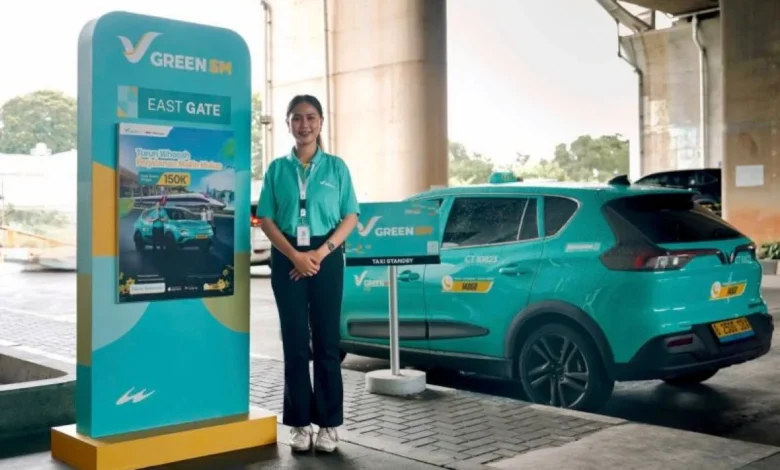
Green SM, the Vietnamese ride-hailing giant, officially marked a significant milestone in its international expansion strategy by launching its electric motorcycle service, Green SM Bike, in Jakarta on September 16, 2026. This launch positions Indonesia as the first international market for the company’s two-wheeled electric vehicle (EV) operations, building upon its existing presence in the Indonesian four-wheeled electric taxi sector. The introduction of this service represents a strategic pivot toward sustainable, cost-effective urban transportation, utilizing high-performance VinFast electric scooters to capture a segment of the market that demands both efficiency and environmental responsibility.
The Strategic Entry into the Indonesian Market
The deployment of Green SM Bike comes at a critical juncture for Jakarta’s transportation sector, which is currently grappling with the dual challenges of extreme traffic congestion and the urgent need for air quality improvement. By introducing an all-electric fleet, Green SM is positioning itself as a leader in the transition toward green energy in public transit.
In the initial phase of operations, the service is concentrated in high-density areas, specifically across South, West, and Central Jakarta. The choice of these locations is deliberate, as they house the highest concentration of commuters who rely on agile, two-wheeled transportation to navigate the city’s complex infrastructure. The fleet consists of two primary models from VinFast: the Evo and the Feliz II. These models were selected for their ergonomic design, reliability, and suitability for the stop-and-go nature of Jakarta’s traffic.
Chronology of Expansion and Operational Readiness
The journey to the September 16 launch was marked by months of preparation. Following the company’s successful entry into the Indonesian taxi market, the leadership team at Green SM began conducting feasibility studies regarding the adoption of electric motorcycles in early 2025. By late 2025, the company had established partnerships with local regulatory bodies to ensure that its operations aligned with Indonesia’s safety standards for electric vehicles.
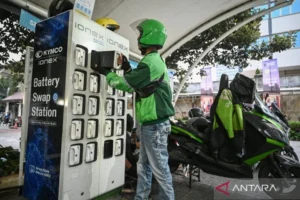
During the first half of 2026, the focus shifted to infrastructure. A critical challenge for any EV operator is the availability of charging and battery-swapping stations. Green SM initiated the construction of a proprietary network of battery-swap kiosks, a necessary investment to ensure that their drivers can maintain high uptime without the long delays associated with traditional charging methods. This infrastructure rollout is expected to continue throughout the remainder of 2026 as the company eyes further expansion into satellite cities such as Tangerang, Bekasi, and Depok.
Innovative Financial Models for Drivers
A standout feature of the Green SM Bike model is the introduction of flexible financial schemes aimed at empowering local drivers. Understanding the economic barriers to EV ownership, the company has implemented a "rent-to-own" program that allows drivers to acquire their own VinFast electric scooter over a two-year period.
With a daily commitment of as low as Rp39,000, the program provides a path to asset ownership for individuals who might otherwise lack the capital for a down payment. This model is designed to mitigate the risks associated with volatile income by offering a structured, transparent, and affordable pathway to vehicle ownership. Furthermore, for those who prefer not to commit to long-term ownership, Green SM offers short-term rental contracts spanning three, six, or 12 months. These contracts require a nominal deposit of Rp150,000, which serves as a security measure for the vehicle.
To further attract talent, Green SM has introduced an incentive structure that guarantees earnings of up to Rp160,000 per day for the first two months of the program. This safety net is intended to allow new drivers the time to acclimate to the app, the vehicle, and the demand patterns in their respective operating zones.
Human Capital and Recruitment Standards
The recruitment process for Green SM Bike is rigorous, reflecting the company’s emphasis on professionalism and safety. Candidates must be between the ages of 21 and 54 years and six months, possessing a valid Indonesian driver’s license (SIM C). Beyond basic documentation, such as a KTP, family card (KK), and a clean criminal record (SKCK), applicants must demonstrate proficiency in digital literacy, specifically regarding navigation software and the company’s proprietary ride-hailing application.
Before hitting the streets, every driver undergoes a comprehensive training module. This training covers not only the technical nuances of operating VinFast electric scooters but also the company’s stringent customer service standards. As Green SM expands, it has actively sought to collaborate with local traffic authorities, including the Indonesian National Police (Korlantas Polri), to conduct safety workshops, ensuring that their drivers are well-versed in defensive driving techniques and traffic regulations.
Environmental and Economic Implications
The shift to electric motorcycles has profound implications for the Indonesian transportation landscape. Currently, the motorcycle remains the most popular form of transit for millions of Indonesians. By transitioning this segment to electric power, the potential for carbon footprint reduction is substantial.
From an economic perspective, the entry of Green SM introduces healthy competition into the ride-hailing market. While incumbents have dominated the space for years, the specialized focus on an all-electric fleet offers a differentiated value proposition. Consumers are increasingly environmentally conscious, and the ability to choose a "green" ride is expected to drive demand. For the economy, the presence of VinFast and Green SM signifies a growing confidence in Indonesia as a hub for the Southeast Asian EV supply chain.
Addressing Challenges and Future Outlook
Despite the promising start, the transition is not without its hurdles. The company has faced scrutiny regarding the safety of electric vehicles following isolated incidents involving infrastructure and maintenance. Regulatory bodies, including the Ministry of Transportation, have conducted inspections of Green SM’s facilities to ensure that safety protocols—ranging from battery maintenance to vehicle roadworthiness—are strictly observed.
Green SM’s management has responded to these challenges with transparency, stating that they are committed to rigorous internal audits and ongoing collaboration with government agencies. The company’s focus on building a robust, safe, and reliable ecosystem suggests that they are playing the long game in the Indonesian market.
As the company looks beyond the initial three-month trial phase, the focus will likely turn toward scaling the battery-swapping infrastructure and expanding the fleet size. With a proven, scalable model now established in Jakarta, the company is well-positioned to serve as a blueprint for other cities in the region looking to modernize their transportation networks while meeting climate targets.
Final Analysis: A New Era for Urban Mobility
The launch of Green SM Bike on September 16, 2026, is more than just a business expansion; it is a signal of the changing priorities in Southeast Asian urban planning. By integrating financial inclusion for drivers with advanced, sustainable technology, Green SM is attempting to resolve the friction between economic necessity and environmental preservation.
While the "rent-to-own" and "flexible rental" schemes are designed to lower the entry barrier, the long-term success of this initiative will depend on the density of the charging network and the ability to maintain consistent service levels. If Green SM succeeds in its goal of normalizing the use of electric motorcycles for daily transit, it will likely prompt a wider industry shift, accelerating the electrification of the motorcycle taxi sector across the archipelago.
As the company continues to refine its operational procedures and expand its footprint, the eyes of both the transportation industry and environmental policymakers will remain fixed on Jakarta. The performance of Green SM in the coming year will serve as a critical case study for the viability of electric-only, app-based ride-hailing services in emerging markets. For now, the integration of VinFast technology into the daily lives of Jakarta commuters marks a bold step toward a cleaner, more efficient, and increasingly electrified future for Indonesia’s capital.