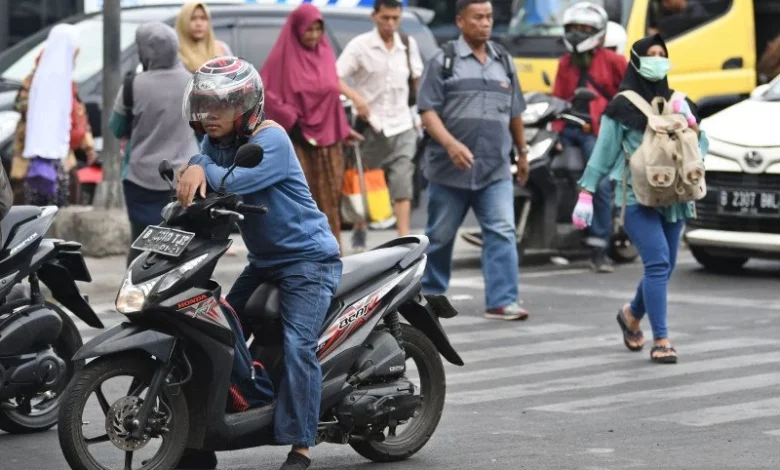
The experience of a motorcycle engine abruptly cutting out while idling at a traffic light or in heavy congestion is more than just a nuisance; it represents a significant disruption to traffic flow and poses a genuine safety hazard for the rider. Modern fuel-injected motorcycles are engineered with sophisticated electronic management systems designed to maintain a consistent idle speed. When these systems fail to stabilize the engine, the consequences range from minor engine hesitation to total stalls, often requiring immediate roadside intervention.
Understanding the Mechanics of Electronic Fuel Injection (EFI)
To grasp why a motorcycle stalls, one must first understand the complexity of the Electronic Fuel Injection system. Unlike older carburetor-based systems that relied on mechanical vacuum pressures to draw fuel, EFI systems utilize an Electronic Control Unit (ECU) to monitor various sensors—including throttle position, engine temperature, and oxygen levels. The ECU then calculates the precise amount of fuel to inject and regulates the airflow to maintain the engine’s "langsam" or idle speed.
When a rider closes the throttle, the engine transitions from a high-load state to a low-load idle state. If the ECU detects an imbalance in the air-to-fuel ratio, or if mechanical components like the intake valves are obstructed, the engine will inevitably stall. This phenomenon has become increasingly prevalent as modern emissions standards force manufacturers to lean out fuel mixtures, making engines more sensitive to even minor technical irregularities.
Chronology and Diagnostic Patterns of Engine Stalling
In most cases, engine failure is not a sudden, unpredictable event but rather the culmination of gradual degradation within the fuel and ignition systems. According to data from major automotive service centers, the majority of stalling issues follow a predictable pattern:
- Phase 1: Initial Hesitation (0–2,000 km after onset): The rider notices slight "brebet" or stuttering when accelerating from a dead stop. The idle RPM may fluctuate intermittently.
- Phase 2: Cold-Start Instability: The engine struggles to maintain a stable idle immediately after being started, often requiring the rider to hold the throttle slightly open to keep the engine running.
- Phase 3: Critical Failure: The engine stalls consistently during deceleration, specifically when the throttle is fully closed while approaching a stop. At this stage, the risk of a "dead engine" during a turn or in the middle of a busy intersection increases significantly.
Primary Technical Causes for Stalling
Industry experts from leading motorcycle manufacturers have identified nine primary technical culprits that frequently contribute to the sudden cessation of engine power in fuel-injected motorcycles.
1. Throttle Body Contamination
The throttle body serves as the gateway for air entering the engine. Over time, carbon deposits and particulate matter accumulate around the butterfly valve. This buildup disrupts the laminar flow of air, causing the ECU to struggle with idle calibration. When the throttle is closed, the obstruction prevents the engine from breathing properly, leading to a stall.
2. Idle Speed Control (ISC) Malfunctions
The ISC valve is responsible for bypassing the throttle plate to provide enough air for the engine to idle. If the ISC becomes jammed with carbon or fails electronically, the engine cannot receive the necessary air to stay running at low RPMs. This is a common point of failure in scooters and commuter motorcycles that frequent stop-and-go traffic.
3. Injektor Clogging
The fuel injector is a high-precision component. Even a microscopic layer of varnish—a byproduct of low-quality fuel or long-term storage—can alter the spray pattern. A restricted injector results in an inconsistent fuel mist, which is insufficient for the stable combustion required at idle.
4. Air Filter Saturation
Modern motorcycles are highly dependent on the quality of intake air. A severely clogged air filter creates a "rich" condition, where the fuel-to-air ratio is heavily skewed toward fuel. This excess fuel can "flood" the combustion chamber, causing the engine to sputter and eventually die when it lacks the necessary oxygen to maintain combustion.
5. Ignition System Degradation
The spark plug is the heart of the combustion cycle. As electrodes wear down, the gap widens, requiring more voltage to produce a consistent spark. A weak spark, compounded by a failing ignition coil or damaged high-tension leads, will often manifest as a stall under low-load conditions.
6. Fuel Pump Inefficiency
The fuel pump must maintain a constant pressure to ensure the injector operates correctly. As pumps age, they may struggle to maintain this pressure, particularly when the engine is hot and the fuel density changes. A failing pump is often the culprit when a motorcycle stalls specifically after long periods of operation in high temperatures.
7. Sensor-Related Electronic Interference
The ECU relies on inputs from the Crankshaft Position Sensor, Engine Coolant Temperature (ECT) sensor, and the Throttle Position Sensor (TPS). A faulty signal from any of these can lead to "limp mode" or, in severe cases, a total engine shutdown. If the Malfunction Indicator Lamp (MIL) is illuminated, it is a clear signal that the ECU has detected an anomaly in one of these data streams.
8. Intake Leaks
Vacuum leaks—often caused by cracked rubber manifolds or loose clamps—introduce "unmetered air" into the engine. Because this air bypasses the sensor array, the ECU cannot compensate with additional fuel, resulting in a lean mixture that is too unstable to sustain idle.
9. Improper Valve Clearance
Valve lash that is too tight can prevent the valves from sealing properly when the engine warms up. This leads to a loss of compression, which is most noticeable at low engine speeds where the inertia of the moving parts is at its lowest.
Diagnostic Strategies and Professional Recommendations
For riders experiencing these issues, a systematic approach is essential. Mechanics advise against "part swapping"—the practice of replacing parts at random in hopes of fixing the issue—as it is both expensive and inefficient.
Recommended Step-by-Step Diagnostic Protocol:
- Check the MIL Code: If the dashboard displays an error light, the first step is to use an OBD scanner to extract the specific fault code. This pinpoints the exact sensor or circuit at fault.
- Verify Fuel Quality: Ensure that the fuel being used meets the manufacturer’s octane requirements. Contaminated fuel can clog the fuel pump filter in as little as a few hundred kilometers.
- Inspect the Idle Circuit: Before tearing down the engine, ensure the ISC valve is clean and that the throttle cable has the correct amount of free play.
- Professional Calibration: If components are cleaned or replaced, many modern motorcycles require a "reset" of the ECU to recalibrate the idle settings. This should be performed by an authorized service center.
Broader Implications for Road Safety
The implications of an engine stall extend beyond the individual rider. In dense urban environments, a motorcycle that stalls in the middle of a traffic flow can trigger a chain reaction of emergency braking, increasing the likelihood of rear-end collisions.
Furthermore, data from road safety audits suggest that mechanical reliability is a primary factor in rider fatigue. A motorcycle that requires constant attention and throttle manipulation to stay running creates an additional cognitive load for the rider, distracting them from observing traffic hazards. Consequently, manufacturers have placed an increased emphasis on "fail-safe" idle systems, though the responsibility for regular maintenance remains with the owner.
Conclusion and Maintenance Advice
Preventative maintenance is the most effective strategy for avoiding sudden engine stalls. Adhering to the manufacturer’s recommended service intervals—specifically regarding air filter replacement, throttle body cleaning, and spark plug inspection—can mitigate 90% of the causes associated with engine stalling.
If a motorcycle exhibits persistent stalling, it is imperative to seek professional assistance. Attempting to adjust the idle speed manually on an EFI system is generally ill-advised, as it only masks the underlying issue and may lead to long-term damage to the internal combustion components. By prioritizing routine care and responding to the early symptoms of engine instability, riders can ensure their vehicles remain reliable, efficient, and, above all, safe for the road.