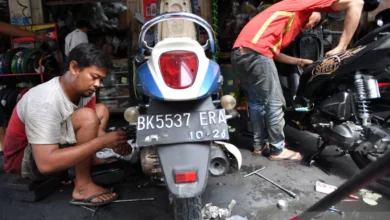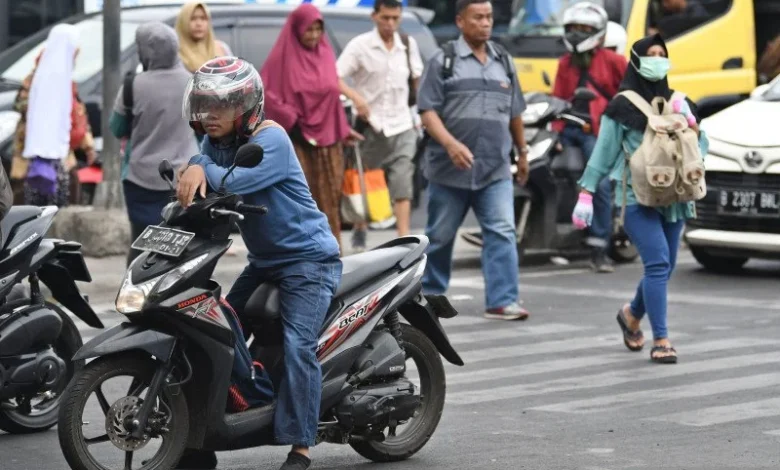
The phenomenon of fuel-injected motorcycles stalling unexpectedly while idling at traffic lights or during heavy congestion has become an increasingly common technical concern for urban commuters. While modern electronic fuel injection (EFI) systems are engineered to optimize air-fuel mixtures and ensure engine stability, a variety of mechanical, electrical, and sensor-related factors can disrupt this equilibrium. Understanding the underlying causes of this performance failure is critical not only for vehicle longevity but also for the safety of riders navigating high-density traffic.
The Evolution of EFI Systems and Idle Dynamics
Electronic Fuel Injection systems replaced traditional carbureted setups to improve emission standards, fuel efficiency, and cold-start reliability. Unlike carburetors, which rely on mechanical vacuum principles, EFI systems utilize an Electronic Control Unit (ECU) that processes data from various sensors—such as the Throttle Position Sensor (TPS), Engine Coolant Temperature (ECT) sensor, and Intake Air Temperature (IAT) sensor—to dictate fuel delivery and ignition timing.
When a motorcycle is in an idle state (langsam), the engine is essentially performing a delicate balancing act. The throttle plate is closed, and the engine must receive just enough fuel and air to maintain a consistent RPM without stalling. If any component in this chain—ranging from a clogged air filter to a failing sensor—fails to provide accurate feedback to the ECU, the engine management system may struggle to maintain the idle threshold, leading to a sudden stall.
Root Causes of Sudden Stalling
Technical experts from major automotive manufacturers have identified nine primary contributors to this issue. While the symptoms may appear identical to the rider, the underlying mechanical faults vary significantly.
1. Throttle Body Accumulation
The throttle body is the gateway for air entering the engine. Over time, carbon deposits and particulate matter from the crankcase ventilation system accumulate around the throttle butterfly valve. This "gunk" restricts airflow and prevents the valve from seating correctly, causing the idle RPM to become erratic. Stalling occurs because the engine cannot draw enough air to support combustion at low speeds.
2. Idle Speed Control (ISC) Malfunctions
Many modern motorcycles utilize an ISC valve or a stepper motor to bypass the throttle plate and control idle speed. If this component becomes jammed due to carbon build-up or experiences an electrical failure, the ECU loses its ability to regulate the idle. This is often the culprit when a bike stalls immediately upon closing the throttle after riding at higher speeds.
3. Injector Clogging and Spray Pattern Degradation
The fuel injector is a precision component. If the fuel filter is compromised or low-quality fuel is used, microscopic debris can block the injector nozzle. A partially blocked injector results in an uneven spray pattern, leading to a lean air-fuel mixture that is insufficient to keep the engine running at low RPM.
4. Compromised Air Intake Systems
An obstructed air filter prevents the engine from "breathing" properly. When the engine is under load, the restriction might be masked, but at idle, the lack of sufficient oxygen can cause the combustion process to falter, leading to the engine dying.
5. Ignition System Degradation
The spark plug is the heart of the combustion process. As a spark plug reaches the end of its service life, the gap widens and the electrode erodes, resulting in a weak spark. While the engine may function during mid-range power, the weak spark is often unable to ignite the fuel mixture effectively at low idle speeds, causing the engine to quit.
6. Fuel Pump Pressure Deficiencies
The fuel pump must maintain a consistent line pressure to ensure the injector operates within parameters. If the pump is failing—often due to thermal fatigue or internal wear—it may struggle to maintain pressure, particularly when the engine is hot. This leads to intermittent stalling that often worsens as the ride progresses.
7. Sensor Logic Errors and ECU Faults
Modern EFI systems rely heavily on sensors. If the TPS provides incorrect data, the ECU may incorrectly calculate the amount of fuel needed for an idle state. In many cases, the Malfunction Indicator Lamp (MIL) will illuminate on the dashboard, signaling a diagnostic trouble code (DTC) that requires a professional scan tool to interpret.
8. Vacuum Leaks
Any breach in the rubber hoses or intake manifold gaskets downstream of the throttle body allows unmetered air to enter the engine. This "false air" leans out the mixture, causing unstable idling and sudden stalls when the throttle is closed.
9. Improper Valve Clearance
While less common as an immediate cause, excessively tight valve clearances can prevent the valves from sealing fully, leading to a loss of compression at low RPMs. This is a mechanical issue that necessitates professional adjustment according to factory specifications.
The Chronology of Diagnostics: A Systematic Approach
When a motorcycle begins stalling, riders are advised to follow a logical diagnostic path rather than engaging in "parts swapping" (replacing expensive components without a confirmed diagnosis).
- Initial Assessment: Note the specific conditions under which the engine stalls. Does it happen only when cold? Only after long rides? Does the engine sputter before dying, or does it cut out instantly?
- Fuel Quality Check: Ensure that fuel is fresh and of the correct octane rating. Poor-quality fuel is a frequent, often overlooked, contributor to injector clogging.
- Dash Warning Analysis: If the MIL is illuminated, it is imperative to visit an authorized service center. The code stored in the ECU provides a roadmap for the technician, saving time and preventing unnecessary repairs.
- Scheduled Maintenance Adherence: Many stalling issues are mitigated by strictly following the manufacturer’s recommended service intervals, specifically regarding air filter replacement and throttle body cleaning.
Broader Implications and Safety Concerns
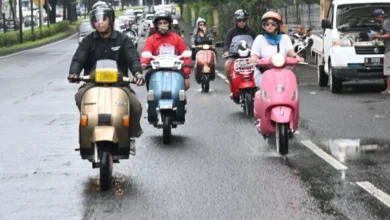
The implications of an engine stalling in traffic are significant. In high-density urban environments, a sudden stall can lead to rear-end collisions or, at the very least, extreme stress for the rider in the middle of an intersection.
"Safety is the paramount concern," states a lead technician at a regional automotive training center. "A bike that stalls once is a nuisance, but a bike that stalls repeatedly is a safety hazard. Riders should treat this as a ‘major’ issue that requires immediate professional attention."
Furthermore, there is an economic impact. Ignoring minor symptoms—such as a slightly rough idle—often leads to catastrophic failure of expensive components like the fuel pump or ECU. Regular maintenance, while perceived as an added expense, is mathematically more cost-effective than a roadside breakdown and subsequent major engine repair.
Official Recommendations and Maintenance Best Practices
Manufacturers emphasize that the "reset" function of an ECU should only be performed by trained technicians. Unauthorized resets or manual adjustments to the idle screw (if applicable) can mask underlying issues while causing long-term damage to the engine’s internal components.
For riders who find themselves in a situation where the motorcycle dies in traffic:
- Prioritize Safety: Immediately activate hazard lights and maneuver the motorcycle to the shoulder of the road.
- Assess the Situation: Do not attempt to force the engine to start if it continues to die repeatedly. The risk of stalling while maneuvering through a turn is high and poses a severe risk of a fall.
- Professional Consultation: Seek out a workshop equipped with digital diagnostic tools. These tools allow the technician to view "live data," observing sensor readings while the engine is running, which is the only accurate way to diagnose intermittent electronic faults.
As motorcycles continue to incorporate more complex electronic management systems, the role of the technician has shifted from simple mechanical repair to diagnostic analysis. For the consumer, the takeaway is clear: the modern motorcycle requires a proactive, rather than reactive, approach to maintenance. By identifying the subtle precursors to stalling—such as slightly sluggish acceleration or a fluctuating idle—riders can prevent the total loss of power, ensuring their vehicle remains a reliable mode of transportation in the increasingly complex landscape of modern traffic.