Can You Change the Photo on Your Electronic National Identity Card (KTP-el) and What Are the Requirements

The Electronic National Identity Card (KTP-el) serves as the primary instrument for civic identification in Indonesia, acting as the bedrock for accessing essential public services, banking, healthcare, and digital verification systems. As the digital transformation of the Indonesian government accelerates, the accuracy of the biometric and visual data contained within the KTP-el has become increasingly vital. A recurring question among the public is whether the photograph displayed on this document can be replaced, particularly when a citizen feels that their current physical appearance no longer aligns with the image captured years prior. While the KTP-el is a permanent document, the Ministry of Home Affairs and the Directorate General of Population and Civil Registration (Dukcapil) have established specific protocols governing when and how a photograph can be updated.
Understanding the Regulatory Framework for KTP-el Updates
Under Indonesian administrative law, the KTP-el is designed to be a lifetime document, meaning it does not require periodic renewal unless there is a change in the holder’s civil status or physical data. Because the KTP-el serves as a high-security document integrated with a centralized biometric database—including iris scans, fingerprints, and facial recognition data—the photograph is not merely a visual reference but a key component of the identity verification process.
Consequently, the government does not permit citizens to request a new photograph simply for aesthetic reasons or personal preference. The update process is strictly governed by the regulations surrounding the modification of population data elements. A request for a new photo is only processed if it meets specific criteria defined by the Ministry of Home Affairs, primarily centered on the necessity of maintaining the integrity of identity verification.
Specific Conditions Permitting a Photograph Change
The Indonesian government recognizes that circumstances arise where the existing KTP-el photograph ceases to be a reliable tool for identification. To address this, the Dukcapil system allows for a "re-recording" (perekaman ulang) of the facial image under the following distinct conditions:
-
Permanent Physical Alteration: If a citizen undergoes a significant, permanent change in their physical appearance—such as after major reconstructive surgery, severe trauma, or other medical conditions that drastically alter facial features—the current photograph no longer serves its purpose. In such instances, the discrepancy between the physical individual and the ID card image can create significant hurdles for security checks, border control, and financial verification.
-
Physical Damage to the KTP-el Document: If the physical card itself is damaged, broken, or has become illegible due to wear and tear, the citizen is entitled to a replacement card. During the issuance of a replacement card, the authorities may perform a new photo capture to ensure the new document contains the most accurate, high-quality data.
-
Inability to Verify Identity: If the existing photograph has degraded or was captured in such a way that it no longer allows for effective biometric verification by modern systems, the system may flag the record for an update. Because the KTP-el is linked to a national database that facilitates public services, the accuracy of the photograph is paramount to the operational efficiency of governmental departments and private sector partners alike.
The Procedural Workflow for Updating KTP-el Photos
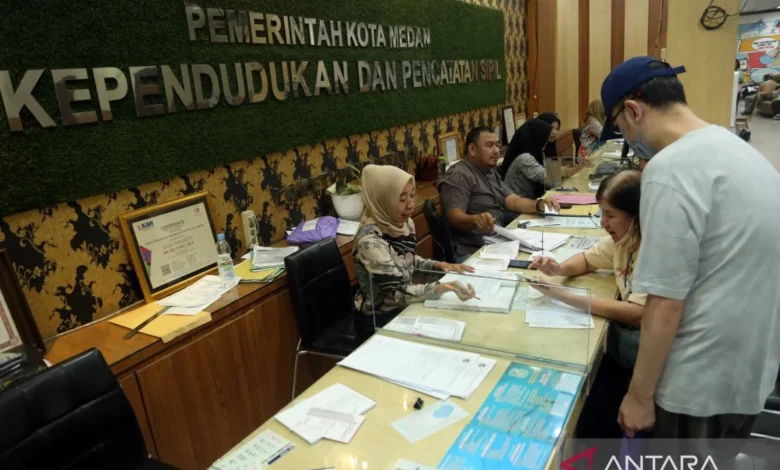
For citizens who fall into the categories mentioned above, the process for updating their KTP-el photo is handled exclusively through local Disdukcapil (Department of Population and Civil Registration) offices. The procedure generally follows a standardized, though locally administered, set of steps:
- Application and Verification: The applicant must present themselves at the local Disdukcapil office. While some regions are moving toward digital integration, most offices still require the applicant to bring their original KTP-el and a copy of their Family Card (Kartu Keluarga/KK).
- Validation of Necessity: A civil servant will review the application to determine if the request meets the established criteria for a photo update. This is a critical gatekeeping measure to prevent the system from being overwhelmed by frivolous requests for cosmetic upgrades.
- Biometric Re-recording: Once the application is approved, the citizen is guided to a specialized workstation where a new, high-resolution digital image is captured. This process is synchronized with the existing national biometric database, ensuring that the new image replaces the old one across all government interfaces.
- Issuance: After the update is processed in the system, a new physical KTP-el is printed and issued to the resident.
It is important to note that procedural requirements may vary slightly by region. As seen in cases from regional offices like Tangerang, local authorities may implement additional administrative verification steps to ensure the security of the data. Therefore, citizens are strongly advised to consult their local Disdukcapil office or official government portal before arriving for the service.
The Role of Biometrics in Modern Identity Management
The strictness of the photograph update policy is rooted in the architecture of Indonesia’s population management system. The KTP-el is not a standalone plastic card; it is the interface for a vast, centralized data infrastructure. Each KTP-el contains an integrated circuit (chip) that stores the holder’s demographic information and biometric signatures.
When a citizen presents their KTP-el at a bank, a government office, or a polling station, the device used to read the card performs a cross-reference between the stored chip data and the national database. The photograph acts as a human-readable confirmation of the machine-readable biometric data. If a person were allowed to change their photo at will, it would undermine the security of this verification loop. The reliance on standardized, government-captured photos—rather than submitted headshots—prevents fraud and ensures that the identity of the person holding the card is incontrovertibly linked to the identity registered in the government’s secure servers.
Implications and Broader Impact
The policy surrounding KTP-el photo updates reflects a broader global trend in administrative governance: the transition from "identity based on appearance" to "identity based on data integrity." By restricting photo changes to cases of necessity, the government ensures that the database remains a stable and reliable source of truth.
Furthermore, this approach mitigates the risk of identity theft. If the process were open to arbitrary changes, it could facilitate unauthorized modifications to a person’s digital profile, creating vulnerabilities in security protocols. For the millions of Indonesians who interact with the digital economy daily—from opening digital bank accounts to registering for government subsidies—the reliability of their KTP-el is a matter of personal security.
As Indonesia continues to integrate its administrative systems, the emphasis on maintaining the current status of KTP-el records is likely to increase. Initiatives such as the "digital KTP" (IKD or Identitas Kependudukan Digital) are already beginning to augment the physical card. In the digital version, the photograph is updated in real-time through the mobile application, provided the underlying data in the national database is current. This represents the next evolution of identification, where the physical card serves as a backup to a more dynamic, digital-first system.
Conclusion: A Disciplined Approach to Civic Identity
While the desire to have a current or more flattering photograph on one’s primary identity document is understandable, the regulatory reality is that the KTP-el is a functional, high-security tool rather than a personal gallery. The government’s refusal to allow arbitrary photo changes is a necessary measure to protect the integrity of the national population database.
Citizens experiencing legitimate physical changes that render their current identification photo obsolete are encouraged to visit their local Disdukcapil office with the required documentation. By adhering to these guidelines, residents ensure that their identity remains verifiable, secure, and fully aligned with the nation’s evolving digital identity framework. As the country continues to refine its civil registration processes, the clarity of these rules serves to uphold the reliability of the KTP-el as the cornerstone of Indonesian citizenship.
Related posts: