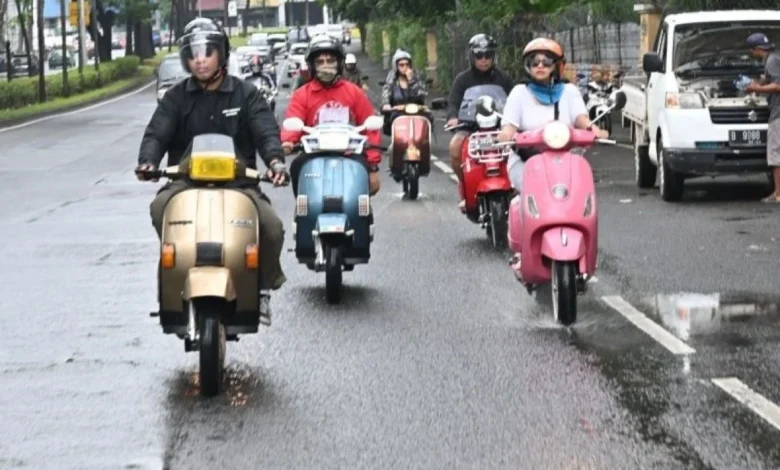
The Vespa matic, a scooter celebrated for its distinctive blend of classic design and modern technology, has cemented its popularity across Indonesia, particularly among the younger demographic. Its reputation for providing a comfortable riding experience for daily urban commutes is well-established. However, like any sophisticated machine, these iconic scooters require consistent maintenance to ensure their engines perform optimally. Regular servicing, encompassing oil changes (engine and gear), fuel injection system cleaning, and Continuous Variable Transmission (CVT) upkeep, are crucial for maintaining the vehicle’s peak condition. Despite diligent care, a recurring complaint among Vespa matic owners is the disconcerting engine hesitation or sputtering when the throttle is engaged, leading to compromised acceleration and an overall less enjoyable riding experience. This article delves into the common culprits behind this issue, offering insights for owners seeking to maintain their scooters’ performance and riding pleasure.
Common Causes of Engine Hesitation in Vespa Matic Scooters
The engine hesitation experienced by Vespa matic riders can generally be attributed to issues within several key systems: the ignition system, the fuel delivery system, the air intake, and the CVT transmission. A thorough understanding of these potential problem areas is the first step towards diagnosis and resolution.
Ignition System Complications
The ignition system is paramount for initiating the combustion process. Disruptions here directly impact the engine’s ability to run smoothly.
Spark Plug Cap (Cangklong Busi) Degradation
One often overlooked but significant cause of engine hesitation is a faulty spark plug cap, known locally as "cangklong busi." This component serves as the crucial intermediary, channeling electrical current from the ignition coil to the spark plug. In Vespa matic scooters, these caps are typically constructed from rubber, which, over time and with exposure to the elements, can harden and become brittle. Beyond age-related degradation, improper installation can also lead to internal issues, such as the spring contact within the cap shifting from its intended position.
When the spark plug cap is compromised, the electrical flow to the spark plug becomes unstable. This results in a weaker spark within the combustion chamber, preventing a complete and efficient combustion of the air-fuel mixture. The consequence is a noticeable engine sputtering or hesitation, particularly when the rider attempts to accelerate. This issue highlights the importance of regularly inspecting these seemingly minor components, as their failure can have a disproportionate impact on engine performance.
Fouled or Worn Spark Plugs
The spark plug itself is a linchpin of the ignition system. Its primary function is to generate a spark that ignites the air-fuel mixture within the combustion chamber. Over time, the repeated combustion cycles lead to the accumulation of carbon deposits on the spark plug’s tip. Furthermore, the electrodes can wear down, causing the gap between them to deviate from the manufacturer’s specified tolerance.
When a spark plug is fouled or worn, the spark it produces becomes inconsistent. This instability in ignition leads to incomplete combustion, resulting in a loss of engine power and the characteristic stuttering sensation when the throttle is applied. Regular checks and timely replacement of spark plugs, typically recommended at intervals based on mileage or time, are essential preventive measures. For many modern scooters, this interval can range from 10,000 to 20,000 kilometers, depending on fuel quality and riding conditions.
Faulty Ignition Coil or Spark Plug Wires
Beyond the spark plug and its cap, the ignition coil and associated wiring play a critical role. The ignition coil is responsible for amplifying the battery’s voltage to the high levels required to create a strong spark. If the ignition coil begins to weaken due to age or internal damage, or if the spark plug wires become frayed or damaged from wear and tear, the electrical current delivered to the spark plug will be suboptimal.
A weak spark directly translates to inefficient combustion, diminishing the engine’s overall performance. This can manifest as a general sluggishness, reduced power output, and the persistent issue of engine hesitation, especially under load or during acceleration. The lifespan of an ignition coil can vary significantly, but it is not uncommon for it to require replacement after tens of thousands of kilometers of use, or if diagnostic tests indicate a voltage drop.
Fuel System Irregularities
A consistent and correctly pressurized supply of fuel is indispensable for smooth engine operation. Any disruption in the fuel delivery system can lead to performance issues.
Clogged Fuel Filter or Weak Fuel Pump
Problems within the fuel system are another frequent contributor to engine hesitation. A clogged fuel filter can impede the flow of gasoline to the fuel injectors, restricting the amount of fuel reaching the engine. Similarly, a weakening or clogged fuel pump can fail to deliver fuel at the required pressure.
When the fuel pressure is insufficient, the air-fuel mixture becomes unbalanced, leaning towards a higher proportion of air. This imbalance disrupts the combustion process, leading to inconsistent engine performance and a noticeable stutter during acceleration. Fuel filters typically require replacement at service intervals ranging from 10,000 to 30,000 kilometers, depending on the quality of fuel and riding environment. A failing fuel pump might exhibit symptoms such as a whining noise or difficulty starting the engine.
Dirty Injectors or Throttle Body
Vespa matic scooters utilize an electronic fuel injection system, which relies on clean injectors to atomize fuel effectively into a fine mist for optimal combustion. Over time, carbon deposits and other residues can accumulate within the injectors and the throttle body, which regulates the amount of air entering the engine.
When these components are dirty, the fuel spray pattern becomes irregular, and the air-fuel mixture is no longer precise. This leads to incomplete combustion, resulting in engine hesitation and a loss of power, particularly noticeable when the throttle is opened. Regular cleaning of the fuel injection system, often recommended as part of a scheduled service, can prevent these issues. For many vehicles, a throttle body cleaning might be advised every 20,000 to 40,000 kilometers.
Fuel Contamination with Water
The quality of fuel is a critical factor in engine performance. The ingress of water into the fuel tank is detrimental, as water does not combust like gasoline. This contamination disrupts the combustion process, causing the engine to lose power, hesitate, and in severe cases, become difficult to start.
To mitigate this risk, owners are advised to refuel at reputable service stations and ensure that the fuel tank cap is always tightly sealed to prevent moisture from entering. Water contamination can occur if fuel is stored improperly or if water seeps into the tank through a faulty seal. Addressing such contamination promptly is vital to prevent long-term damage to the fuel system.
Air Intake System Blockages
The engine requires a precise blend of air and fuel for efficient combustion. Obstructions in the air intake can disrupt this crucial balance.
Clogged Air Filter
The air filter’s role is to trap dust and debris, preventing them from entering the combustion chamber. If the air filter becomes saturated with dirt and grime, it restricts the flow of air into the engine. This reduction in air supply creates an overly rich air-fuel mixture, leading to incomplete combustion.
The consequence of an inadequate air supply is a noticeable decline in engine performance, including hesitation during acceleration and a general lack of power. Air filters are typically inexpensive and relatively easy to replace, with recommended intervals ranging from 5,000 to 15,000 kilometers, depending on the riding environment.
Transmission System Issues
While often associated with engine problems, hesitation can also stem from the scooter’s transmission.
Worn or Deformed CVT Rollers
The Continuously Variable Transmission (CVT) system is responsible for smoothly transferring power from the engine to the rear wheel. A common culprit for hesitation originating from the CVT is worn or deformed rollers. These rollers, housed within the primary pulley, are designed to move outwards as engine speed increases, thereby changing the gear ratio.
If the rollers become worn down or lose their perfectly round shape (a condition known as "peyang"), their movement within the pulley becomes uneven. This disrupts the smooth transition of ratios, leading to vibrations, jerky acceleration, and the sensation of engine sputtering when the throttle is applied. Regular inspection and replacement of CVT components, including rollers and belts, are recommended as part of periodic maintenance, often every 15,000 to 25,000 kilometers.
Proactive Measures for Preventing Vespa Matic Hesitation
To ensure the continued optimal performance of a Vespa matic, proactive maintenance is key. Adhering to the manufacturer’s recommended service schedule is paramount. This includes regular checks of critical components such as spark plugs, ignition coils, air filters, fuel injectors, fuel filters, and CVT parts. Early detection of any wear or damage can prevent minor issues from escalating into more significant problems.
Furthermore, owners should prioritize using fuel that meets the manufacturer’s specifications. Allowing the fuel tank to run excessively low for prolonged periods should be avoided, as this can sometimes lead to the fuel pump drawing in sediment from the bottom of the tank. Periodic cleaning of the fuel injection system is also a vital practice to maintain efficient combustion.
When to Seek Professional Assistance
If a Vespa matic continues to exhibit hesitation despite routine maintenance, it is advisable to consult a reputable authorized service center or a trusted mechanic. Early diagnosis and intervention can prevent further damage to the engine and transmission, ultimately safeguarding the scooter’s longevity and the rider’s safety and comfort. Professional technicians possess the diagnostic tools and expertise to pinpoint complex issues that may not be immediately apparent to the average owner.
The enduring appeal of the Vespa matic lies not only in its iconic styling but also in its reliable performance when properly cared for. By understanding and addressing the common causes of engine hesitation, owners can ensure their scooters remain a source of joy and dependable transportation for years to come. The integration of modern technology within the classic Vespa framework means that meticulous attention to detail in maintenance is as crucial today as it has always been.
Related posts: