Choosing Between Hybrid and Battery Electric Vehicles in Indonesia A Comprehensive Guide to Modern Mobility

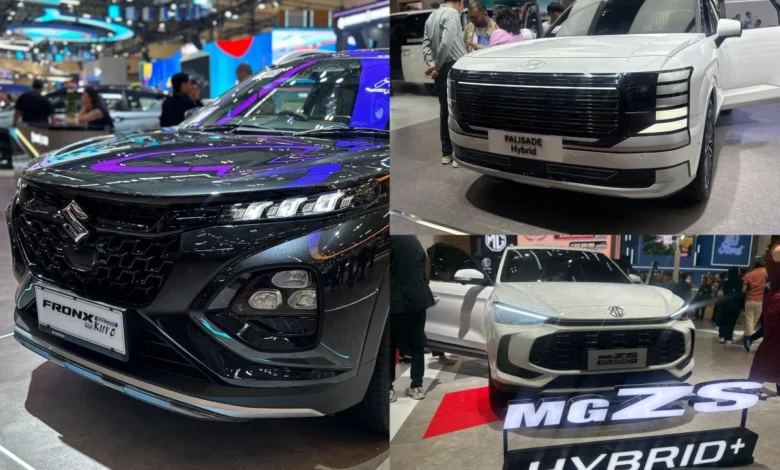
The rapid transformation of the automotive landscape in Indonesia has reached a pivotal juncture, offering consumers an unprecedented array of choices as they transition toward electrified transportation. As the nation intensifies its commitment to decarbonization and the automotive industry shifts gears to meet global sustainability standards, potential buyers are increasingly tasked with choosing between the established efficiency of Hybrid Electric Vehicles (HEV) and the zero-emission promise of Battery Electric Vehicles (BEV). This transition is not merely a technological shift but a fundamental change in how the average Indonesian driver interacts with their vehicle, manages energy consumption, and plans for the future of their mobility.
The Evolution of the Indonesian EV Market: A Chronological Context
The trajectory of the Indonesian automotive market has shifted dramatically over the past three years. In 2024, the total market for electrified vehicles stood at approximately 103,228 units. By the end of 2025, that figure had surged to 175,144 units, signaling a significant shift in consumer sentiment and availability of models.
The growth has not been uniform across all segments. In 2024, hybrid vehicle sales were recorded at 59,903 units, while BEVs accounted for 43,188 units. By the close of 2025, the narrative had flipped: BEV sales reached an impressive 103,931 units, while hybrids showed steady growth at 65,943 units. This suggests that while hybrids serve as a reliable bridge technology, the adoption of pure electric vehicles is accelerating at a faster pace, likely driven by improved infrastructure and a broader range of affordable entry-level models. Data from the first seven months of 2026 confirms this trend, with hybrid sales reaching 50,373 units, maintaining a robust market share even as the charging infrastructure for BEVs continues to expand.
Mechanistic Foundations: Hybrid versus BEV
At the core of the decision-making process is the mechanical difference between these two technologies. Hybrid vehicles utilize a dual-power system, combining an Internal Combustion Engine (ICE) with an electric motor and a small, self-charging battery pack. The vehicle’s onboard computer intelligently switches between the gas engine, the electric motor, or both, to optimize fuel consumption. This design requires no external charging infrastructure, as the battery is regenerated through regenerative braking and the engine itself.
Conversely, BEVs represent a clean-slate approach to engineering. By eliminating the internal combustion engine entirely, these vehicles rely exclusively on high-capacity battery packs that store energy to drive one or more electric motors. This architecture necessitates a shift in user behavior; owners must treat their vehicles similarly to a smartphone, ensuring they are plugged into a power source—either at home or at public charging stations—to replenish their energy reserves.
Infrastructure and the Charging Ecosystem
The primary concern for many prospective electric vehicle owners remains the accessibility of charging stations. PLN, the state-owned electricity company, has made significant strides in this area. As of March 2026, the company reported the establishment of 4,769 Public Electric Vehicle Charging Stations (SPKLU) across 3,097 locations throughout the archipelago.
Strategically, the network is designed to ensure that the distance between charging points is approximately 22 kilometers, significantly reducing the "range anxiety" that previously hindered adoption. Furthermore, the rollout of Ultra Fast Charging facilities within the SPKLU network has been a game-changer for long-distance travel, allowing for charging times that are increasingly competitive with traditional fueling stops.
However, for many Indonesians, the convenience of home charging remains the primary advantage of the BEV. Charging overnight during off-peak hours can result in substantial operational savings. In contrast, hybrid owners benefit from the existing, ubiquitous network of conventional gas stations. For those residing in areas with intermittent electrical grid reliability or frequent, long-distance inter-city travel, the hybrid remains the more resilient and flexible choice.
Comparative Operational Costs and Economic Implications
Determining which vehicle is more cost-effective requires a holistic view that extends beyond the initial purchase price. The total cost of ownership (TCO) calculation includes fuel versus electricity expenditure, routine maintenance schedules, annual tax obligations, and insurance premiums.
BEVs generally offer lower energy costs per kilometer compared to gasoline-powered vehicles. With fewer moving parts—no oil changes, spark plugs, or transmission fluid to worry about—the mechanical maintenance burden is significantly lower. However, the initial capital expenditure for a BEV can be higher due to the cost of battery technology.
Hybrids offer a middle ground. While they still require engine maintenance, their fuel efficiency in urban stop-and-go traffic is vastly superior to traditional ICE vehicles. As government policies evolve, including potential incentives for various categories of electrified vehicles, the economic landscape continues to shift. Currently, the Indonesian government is actively debating incentive structures that could further tip the scales for both categories, aiming to make green mobility more accessible to the middle class.
Operational Profiles: Matching Technology to Lifestyle
The selection process should be guided by an honest assessment of daily usage patterns. For urban dwellers whose daily commute is predictable and who have the capacity to install a home charger, the BEV is often the superior choice. It provides a seamless, quiet, and emissions-free driving experience that aligns with modern environmental standards.
For the frequent traveler or those living in regions where the charging infrastructure is still in its infancy, the hybrid vehicle offers an essential "safety net." The ability to rely on the gasoline engine when the battery is depleted or when traveling through remote provinces provides a level of peace of mind that a pure BEV currently cannot match for every user.
Broader Impact and Future Outlook
The rise of the electrified vehicle market in Indonesia has prompted a ripple effect across the nation’s industrial sector. Automotive manufacturers are increasingly localizing production, not just for the vehicles themselves, but for battery components, supported by Indonesia’s vast nickel reserves. This creates a vertical integration that lowers costs and stabilizes supply chains.
Experts suggest that the coexistence of hybrid and BEV technologies is not merely a temporary phase but a necessary strategy for a diverse geographic nation. While the ultimate goal for many stakeholders is the transition to a zero-emission transport sector, the pragmatic approach involves leveraging hybrid efficiency to reduce carbon footprints in the short term, while simultaneously scaling the charging infrastructure and grid capacity required for a full-scale BEV transition in the long term.
Industry analysts emphasize that consumers should not be intimidated by the options. Instead, they should evaluate their specific needs:
- Commute Frequency: How many kilometers are traveled daily?
- Access to Energy: Is it feasible to install a dedicated charger at home or the office?
- Geographic Scope: Are long-distance, inter-city road trips a regular part of your lifestyle?
- Maintenance Capacity: Do you prefer the simplicity of an electric motor or the familiarity of a hybrid powertrain?
Conclusion: A Tailored Approach to Mobility
As the Indonesian automotive market continues to mature, the choice between hybrid and battery electric vehicles will become less about the perceived superiority of one over the other and more about the alignment of the vehicle’s capabilities with the driver’s lifestyle. Whether one opts for the plug-in convenience of a BEV or the versatile range of a hybrid, the move toward electrification represents a collective step forward for the country.
The data provided by GAIKINDO and the ongoing infrastructure projects by PLN serve as a testament to the fact that Indonesia is rapidly transforming into a significant player in the global EV ecosystem. For the average consumer, the current landscape is one of opportunity. With more models entering the market—from affordable hatchbacks to premium SUVs—the barrier to entry for electrified driving has never been lower. By prioritizing long-term energy savings, environmental impact, and practical utility, drivers can make an informed decision that will serve their needs for years to come. Ultimately, the future of transportation in Indonesia is no longer a distant vision; it is a present reality, and the diversity of the current market is the foundation upon which that future is built.
Related posts: