The Alarming Rise of Etomidate-Laced Vape Cartridges: A New Frontier in Substance Abuse and Public Health Risks in Indonesia

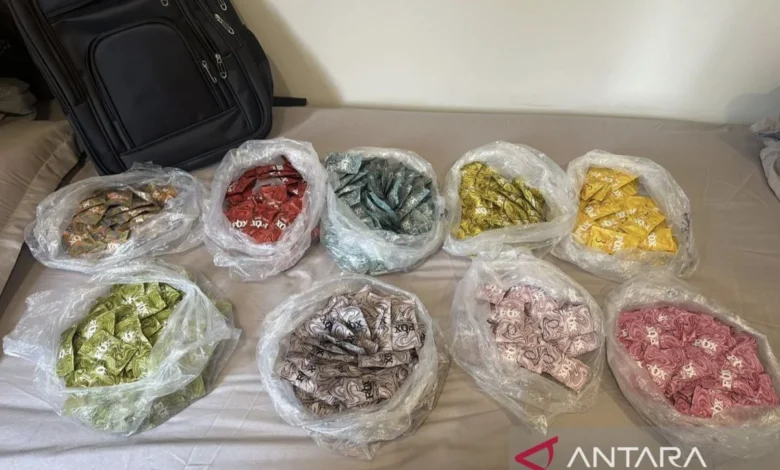
The proliferation of vape cartridges containing etomidate has emerged as a significant public health crisis in Indonesia throughout 2026, forcing law enforcement agencies and medical experts to grapple with the dangerous intersection of recreational nicotine alternatives and pharmaceutical-grade anesthetics. Etomidate, a substance traditionally reserved for highly controlled clinical settings, has been diverted into the black market, appearing in liquid nicotine products that are sold to unsuspecting consumers. This development has triggered a wave of investigations by the National Narcotics Agency (BNN) and the Indonesian National Police, highlighting a sophisticated illicit supply chain that exploits the growing popularity of electronic cigarettes to distribute potent, life-threatening compounds.
Understanding the Clinical Nature of Etomidate
Etomidate is a short-acting intravenous anesthetic agent primarily utilized by anesthesiologists to induce general anesthesia in surgical patients. Its clinical utility stems from its ability to provide a rapid onset of unconsciousness with minimal cardiovascular side effects when administered in precise, medically calculated dosages. Because of its potent impact on the central nervous system, its distribution and usage are strictly regulated by health authorities worldwide.
In a hospital environment, etomidate is administered under the constant supervision of medical professionals who monitor the patient’s vital signs, including blood pressure, oxygen saturation, and heart rate. When misused through inhalation—such as in a vape pen—these vital safety protocols are entirely bypassed. Unlike clinical settings where the concentration is meticulously calibrated, illegal vape cartridges offer no assurance regarding dosage, purity, or the presence of other toxic adulterants. This creates an unpredictable and highly volatile pharmacological experience, placing users at immediate risk of acute systemic failure.
Chronology of the 2026 Crisis
The emergence of etomidate in the Indonesian illicit drug market began to gain traction in the first half of 2026, with authorities identifying a sudden influx of modified vape cartridges. By mid-year, the trend had evolved from an isolated incident into a nationwide concern.
In June 2026, the Indonesian Food and Drug Authority (BPOM) issued a formal warning to the public, alerting citizens to the presence of new synthetic substances appearing in consumer goods. This warning served as a precursor to a series of high-profile enforcement actions. By September 2026, the crackdown intensified. The Polresta Bandara Soekarno-Hatta successfully dismantled a transnational distribution network involving a foreign national from China, identified as XC, and two local associates, RR and RN. This arrest provided authorities with critical insights into the logistics of how these illicit substances were being funneled into the domestic market.
Throughout the year, the BNN reported a staggering volume of seizures. Data indicates that within the first nine months of 2026 alone, the agency confiscated over 8,276 milliliters of etomidate and nearly 3,500 individual vape cartridges linked to 26 distinct criminal cases. These figures underscore the scale of the distribution network and the widespread availability of the tainted products across various Indonesian regions.
The Physiological Hazards of Inhaled Etomidate
The transition of etomidate from a hospital-based intravenous drug to an aerosolized substance in vape pens introduces a range of severe physiological risks. Medical toxicologists have identified five primary areas of concern:
- Respiratory Depression and Failure: As a potent anesthetic, etomidate is known to induce respiratory suppression. When inhaled, it can cause apnea (temporary cessation of breathing) or laringospasme, a condition where the vocal cords spasm, effectively obstructing the airway. Without medical intervention, these respiratory events can lead to hypoxia and fatal outcomes.
- Uncontrolled Loss of Consciousness: Because the concentration of the drug in a vape cartridge is unregulated, users may inadvertently ingest doses far higher than those used in surgical induction. This leads to unpredictable episodes of altered mental states, ranging from severe dizziness and cognitive impairment to full loss of consciousness in environments where the user is entirely vulnerable.
- Adrenal Gland Suppression: A well-documented side effect of etomidate is the inhibition of cortisol production by the adrenal glands. Cortisol is essential for the body’s stress response and metabolic regulation. Repeated exposure to etomidate, even in smaller amounts through frequent vaping, can result in adrenal insufficiency, a condition that can have long-term impacts on a person’s endocrine health.
- Electrolyte Imbalance: Emerging clinical reports suggest that chronic users of etomidate-laced vapes have presented with severe hypokalemia—critically low levels of potassium. Potassium is vital for proper muscular and cardiac function; its depletion can lead to muscle weakness, tremors, and potentially life-threatening cardiac arrhythmias.
- Cardiovascular Stress: While etomidate is favored in medicine for its stability, the unregulated inhalation of the drug, often mixed with other unknown chemical solvents in vape liquids, creates a chaotic cardiovascular profile. This can trigger hypotension or paradoxical hypertension, placing undue stress on the heart and circulatory system.
Regulatory Challenges and Government Response
The Indonesian government has responded with a multi-agency approach to curb the illicit trade. The BPOM has taken a leading role in laboratory testing and intelligence sharing. By coordinating with the National Police, the BPOM is working to identify the origin of the raw etomidate chemical precursors, which are believed to be diverted from legitimate medical supply chains or imported through clandestine channels.
Legal experts and public health analysts have called for a stricter audit of the pharmaceutical supply chain to prevent further diversion. There is a growing consensus that the "vape" industry, which has historically operated with a degree of regulatory ambiguity, must face more rigorous product testing requirements. Currently, the lack of transparency in the ingredients of many black-market vaping products makes it nearly impossible for consumers to distinguish between legitimate nicotine-based fluids and those contaminated with illicit substances.
Furthermore, the government is focusing on public awareness campaigns. By educating the youth—who represent the largest demographic of vape users—authorities hope to reduce demand. However, the task remains daunting. The packaging of these illicit cartridges often mimics legitimate products, leading users to believe they are consuming standard nicotine or flavor liquids when they are, in fact, inhaling potent pharmacological agents.
Broader Societal and Economic Implications
The rise of etomidate-laced vapes reflects a shifting landscape in the global drug trade, where synthetic substances are increasingly replacing traditional plant-based narcotics. This shift presents significant challenges for law enforcement, as synthetic chemicals are easier to transport, conceal, and manufacture in small-scale, makeshift laboratories.
The economic burden on the public health system is also expected to rise. As more individuals present to emergency rooms with symptoms related to unknown substance toxicity, hospitals will require specialized equipment and diagnostic training to identify these synthetic compounds, which are not always caught by standard drug screenings.
Moreover, the infiltration of such drugs into the mainstream market threatens the perceived safety of consumer products. As authorities continue to track the supply chain, the focus remains on the "last mile" of distribution—the online platforms and street-level retailers that facilitate the sale of these products. Experts advocate for a "whole-of-government" approach that includes international cooperation, given that the distribution networks often span across borders, as evidenced by the involvement of international actors in the Soekarno-Hatta case.
Conclusion: A Call for Vigilance
The emergence of etomidate as a recreational drug via vaping represents a grave evolution in substance abuse. With the substance’s potential to cause irreversible damage to the endocrine, respiratory, and nervous systems, the situation demands continued vigilance from both the public and state authorities.
As investigations continue, the message from health officials remains clear: any vape product sourced from an unverified or illicit market poses an immediate threat to life. The 2026 crisis serves as a stark reminder that the rapid expansion of the vape industry, if left without robust, science-based regulation, can be exploited to introduce dangerous substances into the homes of unsuspecting citizens. Protecting the public requires not only aggressive law enforcement but also a concerted effort to educate the population on the hidden dangers lurking within the modern vape cartridge. Moving forward, the effectiveness of the government’s response will depend on its ability to tighten supply chain controls and sustain a rigorous, intelligence-led enforcement strategy to dismantle the networks behind this hazardous trade.
Related posts: