Green SM Launches Electric Motorcycle Ride-Hailing Service in Jakarta to Revolutionize Urban Mobility

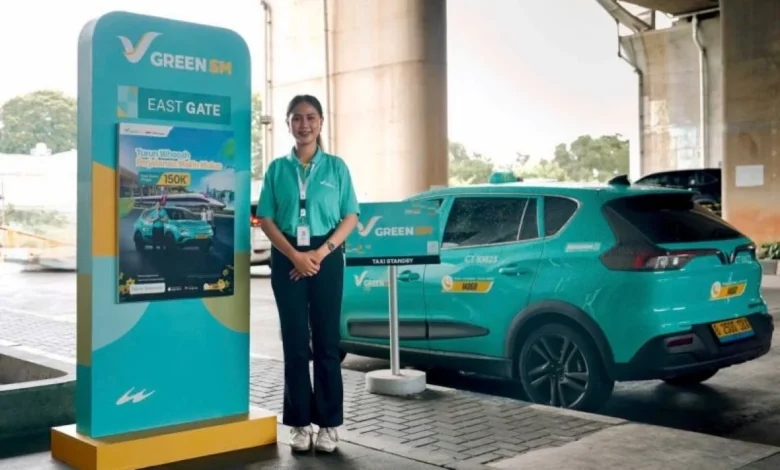
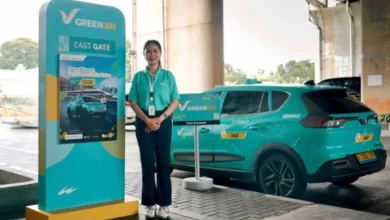
Green SM, the prominent Vietnamese ride-hailing firm known for its electric taxi operations, officially inaugurated its electric motorcycle (e-bike) service in Jakarta on September 16, 2026. This strategic expansion marks Indonesia as the first international market for Green SM’s two-wheeled division, signaling a significant shift in the capital’s transportation landscape. By integrating VinFast electric scooters—specifically the Evo and Feliz II models—into its fleet, the company aims to provide a sustainable, efficient, and cost-effective alternative for urban commuters while offering lucrative earning opportunities for local drivers.
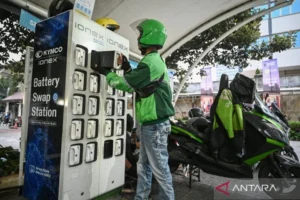
The rollout follows a period of rigorous testing and infrastructure development, including the establishment of battery-swapping stations across strategic points in South, West, and Central Jakarta. This move is part of a broader corporate commitment to fostering an eco-friendly transport ecosystem in one of Southeast Asia’s most densely populated cities.
Strategic Timeline and Operational Evolution
The entry of Green SM into the Indonesian market has been a phased, deliberate process. The company first established its presence through electric four-wheeled vehicles, which garnered attention for their quiet operation and zero-emission profile. However, the decision to introduce e-bikes reflects a deep understanding of the "last-mile" connectivity needs inherent to Jakarta’s complex traffic patterns.
The timeline of this deployment reveals a methodical approach:
- Early 2026: Initial planning and engagement with local transportation authorities to align with national safety standards.
- Q2 2026: Infrastructure preparation, including the procurement of VinFast units and the rollout of charging and swapping networks.
- September 16, 2026: Official launch of Green SM Bike services in select Jakarta districts.
By choosing Jakarta as its inaugural international hub for two-wheeled services, Green SM is positioning itself to compete directly with existing local players, while differentiating itself through a specialized focus on electric-only mobility.
The Economic Model: Rent-to-Own and Flexible Leasing
A central pillar of the Green SM business model is its innovative approach to driver partnerships. Recognizing the financial barriers that often prevent individuals from transitioning to electric vehicles, the company has introduced a "Rent-to-Own" scheme. Starting at approximately Rp39,000 per day, this program allows drivers to eventually gain full ownership of their VinFast scooter after a two-year period, provided they meet specific contractual obligations.
Beyond the rent-to-own model, Green SM offers flexible leasing options with terms ranging from three to 12 months. This allows drivers to test the service without a long-term commitment, requiring only a modest deposit of Rp150,000. These financial structures are designed to lower the entry barrier for prospective partners, enabling them to transition into the gig economy with professional-grade equipment.
To ensure transparency and motivation, the company has also announced a guaranteed daily income threshold of Rp160,000 during the first two months for qualifying drivers, complemented by performance-based bonuses. While this figure is subject to program-specific terms, it represents a concerted effort to stabilize income for drivers in a volatile market.
Fleet Specifications and Technological Integration
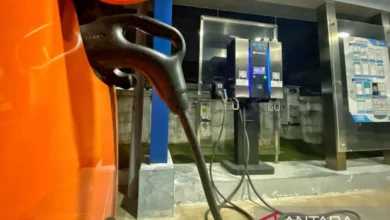
The utilization of VinFast Evo and Feliz II models is a cornerstone of the service’s appeal. Both scooters are engineered for the rigors of urban commuting, featuring optimized torque for stop-and-go traffic and advanced battery management systems. The integration of a robust battery-swapping network is perhaps the most vital component of this fleet management strategy. Unlike conventional charging, which requires hours of downtime, battery swapping enables drivers to maintain high uptime, ensuring that the fleet remains productive throughout the day.
The digital architecture supporting the service—a proprietary mobile application—serves as the interface for both passengers and drivers. For drivers, the app provides real-time navigation, performance analytics, and monitoring of battery health. This technological backbone is critical for the efficiency of the service and reflects the company’s emphasis on data-driven operations.
Regulatory Oversight and Safety Protocols
The expansion of Green SM has not occurred in a vacuum. As with any major public transport player, the company has faced scrutiny regarding safety procedures. Following high-profile incidents involving electric vehicle infrastructure in the region, regulatory bodies such as the Ministry of Transportation and the Indonesian National Police (Korlantas) have actively engaged with Green SM.
In response, Green SM has implemented comprehensive training programs for all incoming drivers. This training covers not only the standard protocols for passenger safety and traffic navigation but also specific procedures for the operation and emergency handling of electric vehicles. This collaboration with the authorities has been well-received, as it aligns with national efforts to enhance road safety and promote a smoother transition toward electric mobility in Indonesia.
Socio-Economic Implications for Jakarta
The impact of Green SM’s entry into the market extends beyond the individual driver or passenger. From a macroeconomic perspective, the introduction of a large-scale electric fleet contributes directly to Indonesia’s goals for carbon neutrality. By displacing thousands of internal combustion engine (ICE) motorcycles with zero-emission alternatives, the service offers a tangible reduction in the urban air pollution levels that frequently plague the capital.
Furthermore, the "Rent-to-Own" program acts as a mechanism for financial inclusion. By allowing drivers to build an asset—the motorcycle—through daily micro-payments, Green SM is effectively providing a pathway for low-income individuals to move toward financial independence. This model mirrors successful trends seen in other emerging markets, where gig-economy platforms have shifted from pure rental models to asset-building partnerships.
Challenges and Future Outlook
Despite the optimistic outlook, the company faces inherent challenges. The scalability of the battery-swapping network remains the primary logistical hurdle. As the number of active riders increases, the density of swap stations must keep pace to prevent congestion and driver frustration. Additionally, the company must manage the competitive pressures from established local ride-hailing giants, who have also begun their own aggressive electrification campaigns.
The long-term viability of the service will depend on its ability to maintain high service standards while balancing the cost of infrastructure maintenance. Green SM has signaled its intent to expand beyond its current footprint in Jakarta to other major Indonesian cities. Whether the company can replicate its current success in other regions—where infrastructure density may be lower—remains to be seen.
Conclusion
The debut of Green SM Bike on September 16, 2026, marks a watershed moment for the electric vehicle industry in Indonesia. By combining accessible financing models, high-quality hardware from VinFast, and a proactive approach to safety and regulation, the company is well-positioned to carve out a significant share of the ride-hailing market.
As Jakarta continues to grapple with the demands of rapid urbanization and the necessity of environmental sustainability, the role of players like Green SM will become increasingly central. Through its blend of technological innovation and inclusive economic policies, the company is not merely launching a transport service; it is participating in the structural transformation of how millions of Indonesians move, work, and contribute to a greener future. For the prospective driver, the promise is clear: a stable income, a modern, reliable vehicle, and a stake in the future of the electric economy. For the passenger, it offers a quieter, cleaner, and more efficient way to navigate the pulse of the capital.