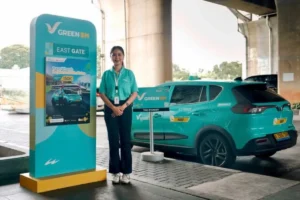
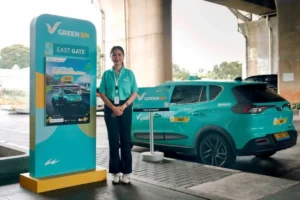
Green SM Bike officially launches electric motorcycle ride-hailing services in Jakarta to revolutionize urban mobility and empower local drivers

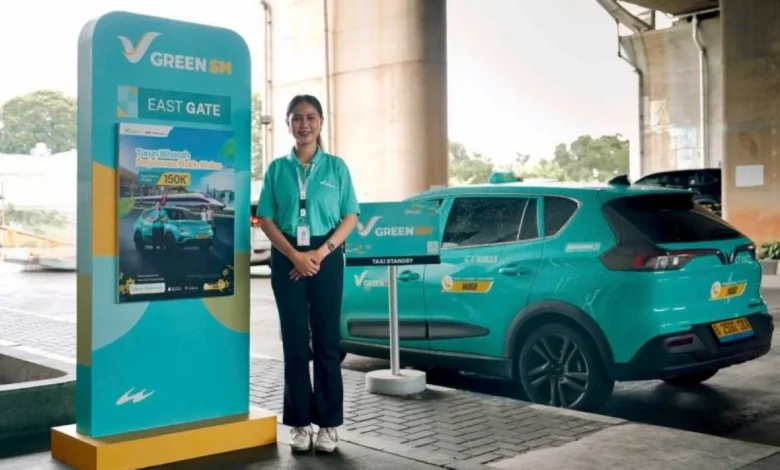
The landscape of urban transportation in Indonesia’s capital underwent a significant transformation on September 16, 2026, as Green SM, the Vietnam-based ride-hailing giant, officially launched its electric motorcycle (EV) service, Green SM Bike, in Jakarta. This expansion marks a strategic milestone for the company, as Indonesia becomes the first international market to host its motorcycle-based electric fleet, building upon its existing presence in the local electric taxi sector. By deploying VinFast’s robust scooter models, the initiative aims to marry sustainable transit with flexible economic opportunities for thousands of prospective drivers.
Strategic Expansion into the Indonesian Market
Green SM’s entry into the two-wheeled vehicle segment is not merely a service expansion; it is a calculated effort to capture a larger share of the rapidly growing Indonesian EV market. Jakarta, known for its dense traffic and persistent struggle with air quality, serves as the ideal testing ground for high-density electric micro-mobility.
The launch focuses on three primary regions: South Jakarta, West Jakarta, and Central Jakarta. By concentrating on these hubs, Green SM aims to establish a reliable network of battery swapping and charging stations, a critical infrastructure component for the long-term viability of electric fleets. The decision to leverage VinFast—a brand synonymous with Vietnam’s push for industrial electrification—underscores the close synergy between the service provider and its hardware partner. The fleet currently consists of the VinFast Evo and the Feliz II, both specifically engineered for the stop-and-go demands of urban environments.
The Financial Architecture: Rent-to-Own and Leasing Models
One of the most disruptive aspects of the Green SM Bike model is its tiered financial structure for drivers, designed to lower the barrier to entry for the gig economy. Recognizing the capital-intensive nature of vehicle ownership, the company has introduced a "rent-to-own" program that allows drivers to pay a daily rate of Rp39,000.
Under this specific arrangement, the daily fee acts as an installment toward eventual ownership. After a two-year commitment, the vehicle title transitions to the driver, provided they maintain consistent usage and meet the company’s service standards. This model is particularly appealing to individuals who may lack the credit history or upfront liquidity to purchase an electric motorcycle outright.
For those seeking less permanent commitments, Green SM offers short-term leasing contracts spanning three, six, or 12 months. This flexibility is supported by a modest deposit of Rp150,000, which grants the driver access to the vehicle and inclusion in the company’s ecosystem. Furthermore, the company has pledged a daily income guarantee of Rp160,000 for the first two months of the program, bolstered by performance-based incentives. This financial safety net is intended to provide stability to new partners as they navigate the learning curve of a new app and vehicle platform.
Recruitment, Training, and Regulatory Compliance
The professionalization of the ride-hailing sector is a priority for Green SM, evidenced by its rigorous onboarding process. Candidates must be between 21 and 54.5 years old and possess a valid Indonesian driver’s license (SIM C). Beyond basic documentation like KTP (national ID) and SKCK (police clearance), applicants are vetted for their digital literacy and geographic familiarity with the Jakarta metropolitan area.
A unique feature of the Green SM recruitment process is the mandatory training period. Before an individual is authorized to transport passengers, they must undergo extensive instruction regarding the technical operation of electric scooters and the company’s proprietary service standards. This emphasis on training is, in part, a response to broader concerns regarding road safety in Jakarta. Recent high-profile incidents involving electric vehicles have drawn scrutiny from the Ministry of Transportation and the National Police (Korlantas), leading to productive dialogues between Green SM and regulatory bodies to ensure that the expansion does not compromise public safety.
Chronology and Operational Context
The trajectory of Green SM in Indonesia has been marked by rapid development:
- Initial Entry: The company established its footprint in Indonesia through electric taxi services, which served as the proof-of-concept for its broader EV ecosystem.
- Safety Scrutiny (Mid-2026): Following external events involving transportation infrastructure, regulators conducted site inspections of Green SM’s facilities. These checks prompted a collaborative effort between the company and authorities to strengthen safety protocols.
- Regulatory Alignment: Throughout the summer of 2026, Korlantas and Green SM engaged in ongoing workshops to improve driver behavior and emergency response, setting a precedent for future electric-based public transport.
- Official Launch (September 16, 2026): The Green SM Bike service went live, transitioning from a pilot phase to full operational status in Jakarta.
Economic and Environmental Implications
The arrival of Green SM Bike carries broader implications for Indonesia’s transition to green energy. By shifting thousands of daily commutes from combustion-engine motorcycles to electric alternatives, the city expects a measurable reduction in carbon emissions and noise pollution. From an economic perspective, the model introduces a "gig-plus" structure where the asset (the motorcycle) becomes a tangible asset for the worker rather than a permanent expense.
However, the success of this model hinges on infrastructure density. The cost-efficiency of electric motorcycles is highly dependent on the availability of battery-swapping kiosks. If a driver must travel significant distances to swap a depleted battery, the lost time directly erodes the daily revenue potential. Consequently, Green SM’s expansion plan includes a phased rollout of localized charging hubs that mirrors the concentration of its driver-partners.
Challenges and Future Outlook
While the promise of an electric ride-hailing network is significant, the company faces inherent challenges. The competitive landscape in Jakarta is already saturated with established ride-hailing players. To maintain market share, Green SM must prove that its service quality and reliability can match or exceed existing platforms.
Furthermore, the company must continue to navigate the regulatory environment. Recent interactions with the Ministry of Transportation regarding safety standards indicate that the government is closely monitoring the impact of EV fleets on urban traffic. The willingness of Green SM to cooperate with police and transport authorities—as demonstrated by their joint training initiatives—suggests a proactive approach to mitigating the risks associated with new technology adoption.
Looking ahead, if the Jakarta rollout proves successful in terms of driver retention and passenger volume, the company has signaled an interest in expanding to other major Indonesian cities. Cities like Surabaya, Bandung, and Medan, which face similar urban challenges, are logical candidates for future phases.
The launch of Green SM Bike is more than a commercial endeavor; it is a test case for whether the Indonesian gig economy can sustain a transition to greener technology without sacrificing the livelihood of its workforce. By providing an accessible path to ownership and a structured path to stable income, Green SM is attempting to build a sustainable ecosystem that benefits the environment, the consumer, and the driver simultaneously. As the city watches this experiment unfold, the focus will remain on whether the promised income stability and vehicle performance can survive the volatile realities of Jakarta’s daily commute.