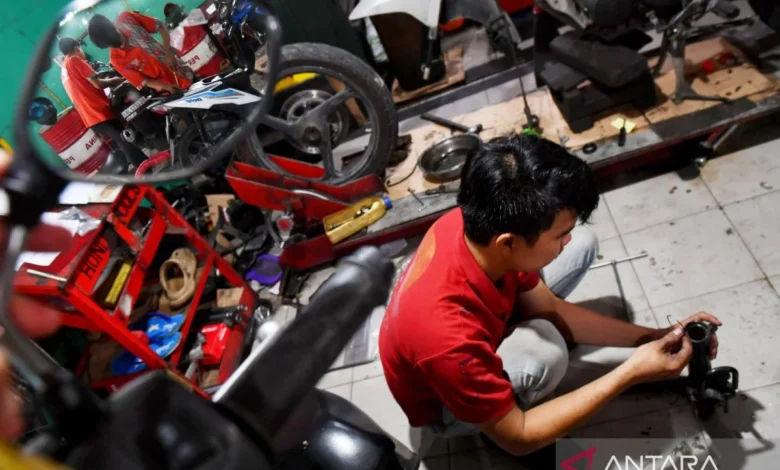
Motorcycle braking systems are the most critical safety feature on any two-wheeled vehicle, tasked with the high-stakes responsibility of decelerating or halting a machine in motion. For many riders, the sudden emergence of a high-pitched squeal, a persistent grinding noise, or a scraping sound when the brake lever or pedal is depressed serves as an unsettling reminder of the mechanical forces at play. While these auditory warnings do not always signal an immediate catastrophic failure, they are diagnostic indicators that require careful attention. Understanding the root causes of these noises—ranging from simple environmental contamination to structural component failure—is essential for maintaining rider safety and prolonging the longevity of a motorcycle’s braking hardware.
The Mechanics of Braking Noise
At its core, a motorcycle brake system operates through friction. When a rider applies pressure, the brake pads are forced against the rotating brake disc (rotor) or, in the case of drum brakes, the shoes are pushed against the inner wall of the drum. This kinetic energy is converted into heat, which slows the rotation of the wheel. Because this process relies on extreme friction, it is inherently prone to producing sound. However, when that sound shifts from a dull whisper to an abrasive screech or a metallic grind, it indicates that the equilibrium of this friction process has been disturbed.
Industry data suggests that brake-related issues remain one of the most common causes of preventable motorcycle accidents. According to reports from various road safety organizations, a significant percentage of incidents involving single-vehicle collisions are linked to "poor maintenance of critical systems," with the braking system topping the list.
Identifying the Common Culprits Behind Brake Noise
The causes for noisy brakes are multifaceted. A professional analysis of the braking system often categorizes these issues into three primary domains: environmental factors, component wear, and mechanical alignment.
1. Environmental Contamination and Debris
The most benign, yet common, cause of brake noise is the accumulation of foreign matter. Motorcycle brake components are exposed to the elements—road dust, grit, mud, and water. When these particles become trapped between the brake pad and the rotor, they act as abrasives during the braking sequence, creating a high-pitched squeal. This is particularly prevalent in humid climates or after riding through unpaved, dusty, or water-logged terrain. While a small amount of grit may clear itself through subsequent use, persistent noise is a sign that the pads or the drum housing require a professional cleaning to prevent scoring of the metal surfaces.
2. The Critical Threshold: Pad Wear and Tear
Brake pads are "sacrificial" components, designed to wear down over time to protect the more expensive rotor. As the friction material thins, the metal backing plate of the pad moves dangerously close to the disc. Once the friction material is exhausted, the metal backing plate contacts the rotor directly, resulting in a distinct, grinding metal-on-metal sound.
International safety standards, such as those published by the Driver and Vehicle Standards Agency (DVSA) in the United Kingdom, emphasize that brake pad linings thinner than 1 millimeter are considered a critical failure point. Beyond the noise, this condition causes irreparable damage to the brake disc, requiring a much more costly repair than a simple pad replacement.
3. Surface Irregularities and Thermal Damage
Brake rotors are precision-engineered components. Over time, or due to aggressive braking and subsequent overheating, the surface of the disc can become uneven. "Warping" or the development of deep grooves—often caused by running pads down to the metal—leads to inconsistent contact between the pad and the rotor. This uneven contact causes a rhythmic, pulsing sound, often accompanied by vibration felt through the brake lever or the handlebars.
4. The "Bedding-In" Process for New Components
It is a common misconception that new brake pads should be silent immediately upon installation. When new pads are fitted to an old rotor, or even a new one, they must undergo a "bedding-in" process—a period where the pad material transfers a thin layer of friction film onto the rotor. If the surfaces are not properly prepared or if the pads are of a different material composition than the previous set, temporary squealing may occur. However, if this noise persists beyond the first few hundred kilometers, it likely indicates a misalignment or a compatibility issue between the pads and the braking hardware.
5. Mechanical Issues: Kaliper Stiction and Misalignment
The brake caliper is the housing that holds the pads and contains the hydraulic pistons responsible for applying force. If these pistons become seized or "sticky" due to brake dust, road salt, or lack of maintenance, they may not retract fully when the rider releases the lever. This leads to the pad "dragging" against the rotor, causing constant friction, excessive heat buildup, and a persistent squeaking or whistling sound. A rider may notice that the wheel feels heavy or the motorcycle lacks its usual momentum when coasting.
The Dangers of Improper Maintenance
A recurring issue noted by professional mechanics is the "quick fix" mentality. Many riders attempt to resolve brake noise by applying lubricants or greases directly to the pads or the rotor. This is a hazardous practice. Brake systems rely on high-friction surfaces; introducing any form of oil or grease drastically reduces the coefficient of friction, leading to "brake fade" or complete failure.
Furthermore, loose hardware—such as improperly torqued bolts, missing anti-rattle clips, or worn pins—can cause the entire assembly to vibrate. In a high-speed environment, these vibrations can turn into mechanical failure if not addressed. The golden rule for motorcycle maintenance remains: if in doubt, consult a certified technician.
Professional Guidance and Safety Protocols
When should a rider stop riding and seek help? The industry consensus is clear: any change in the "feel" or "sound" of the brake system is a mandate for inspection.
The following signs indicate that the motorcycle is no longer safe for the road:
- The "Deep" Lever: If the brake lever or pedal travels significantly further than usual before engaging, it may indicate air in the lines, a leak, or severely worn pads.
- Metallic Grinding: Any sound resembling metal scraping against metal indicates that the safety limit of the pads has been exceeded.
- Vibrations: Excessive feedback through the handlebars during braking points to warped rotors or loose mounting hardware.
- Reduced Stopping Power: If the motorcycle requires more distance to stop than it did previously, the system is compromised.
The history of motorcycle accidents highlights the importance of this vigilance. For instance, investigations into major road collisions often reveal that "brake maintenance" was deferred, leading to scenarios where the rider could not stop in time to avoid an obstruction. These tragic outcomes underscore that brakes are not merely parts to be replaced when they break; they are the primary safety boundary between the rider and the environment.
Best Practices for System Longevity
To ensure the longevity of the braking system and the safety of the rider, a structured maintenance routine is essential:
- Periodic Inspection: Check the thickness of the brake pads during every oil change or every 3,000 to 5,000 kilometers, depending on riding style.
- Hydraulic Fluid Management: Brake fluid is hygroscopic, meaning it absorbs water from the atmosphere. This lowers its boiling point and can lead to internal corrosion of the system. Most manufacturers recommend changing the brake fluid every two years.
- Cleanliness: Regularly clean the rotor and the area around the caliper with dedicated brake cleaner. Avoid using household degreasers which may leave behind harmful residues.
- OEM Specifications: Always use brake pads and parts that meet the original equipment manufacturer (OEM) specifications. "Bargain" aftermarket parts may not have the thermal capacity to handle the weight and performance requirements of the motorcycle, leading to premature failure.
Concluding Remarks
The sounds emanating from a motorcycle’s braking system are its way of communicating its health status. A light chirp might be a temporary annoyance caused by road dust, but a sustained, aggressive noise is a serious diagnostic alert. By understanding the underlying mechanical causes—whether they stem from the degradation of friction materials, environmental contamination, or hydraulic issues—riders can make informed decisions about when to clean, when to replace, and when to seek professional intervention.
Ultimately, the goal of any motorcycle owner should be proactive maintenance. Waiting for a system to fail is not a strategy; it is a risk. By adhering to the manufacturer’s service intervals and staying alert to the auditory cues of the braking system, riders can ensure that their machine remains a source of enjoyment rather than a liability on the road. Safety is not a one-time achievement, but a continuous process of inspection, awareness, and professional care. When the brakes speak, the smart rider listens—and acts accordingly.
Related posts: