Six Critical Warning Signs That Your Car Battery Is Failing and How to Prevent Roadside Emergencies

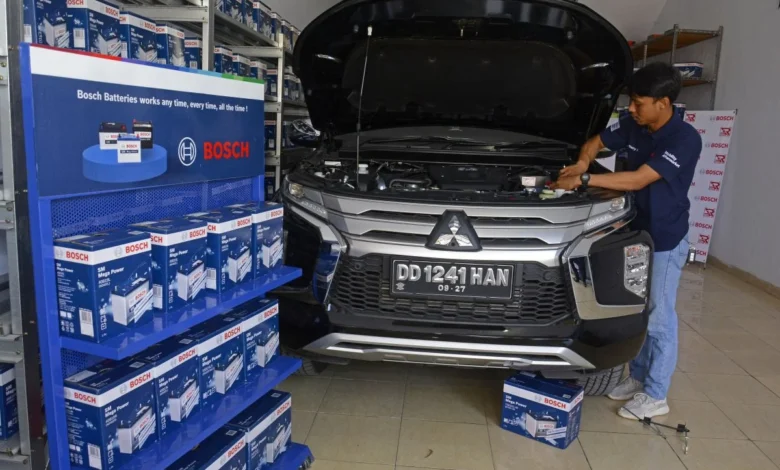
The automotive battery serves as the lifeblood of a modern vehicle, acting as the primary reservoir of electrical energy required to crank the engine and sustain the complex array of electronic control units (ECUs), lighting systems, and comfort features. As vehicle architecture becomes increasingly digitized, the reliance on a stable and high-performance battery has never been more critical. While most lead-acid or lithium-ion batteries are designed to provide years of reliable service, they are not immune to chemical degradation, temperature-related stressors, and internal resistance buildup. Understanding the nuances of battery health is not merely a matter of vehicle maintenance; it is a proactive safety measure that prevents the inconvenience and potential danger of becoming stranded in transit.
The Anatomy of Battery Failure: A Technical Perspective
A car battery functions through an electrochemical process that converts chemical energy into electrical energy. Over time, the internal lead plates become coated with lead sulfate—a process known as sulfation—which reduces the battery’s capacity to hold a charge. This chemical decline is often accelerated by environmental factors, such as extreme heat, which causes internal fluid evaporation, or cold weather, which thickens engine oil and demands significantly higher cranking amperage from the battery.
According to automotive industry data, the average lifespan of a standard automotive battery ranges from three to five years, depending on regional climate and driving habits. However, this is a generalized estimate. Vehicles subjected to frequent "short-trip" cycles, where the alternator does not have sufficient time to replenish the energy consumed during the starting process, often see a marked reduction in battery longevity. Conversely, vehicles left stationary for extended periods are susceptible to "parasitic drain," where electronic modules continue to draw small amounts of current, eventually leading to a deep discharge that can permanently damage battery cells.
Diagnostic Indicators: Identifying the Early Warning Signs
Professional automotive technicians emphasize that battery failure is rarely a binary "working or broken" event. Instead, it is a progressive decline that manifests through specific, observable symptoms. Recognizing these early warning signs allows owners to replace a battery during a scheduled service appointment rather than an emergency roadside event.
1. Sluggish Engine Crank and Starter Hesitation
The most common and immediate indicator of a weakening battery is a change in the acoustic and physical performance of the engine start. Under normal conditions, the starter motor should engage instantly upon ignition, producing a rapid, rhythmic turnover. If the engine takes noticeably longer to fire or if the starter sounds labored and "lazy," it is a primary indicator that the battery lacks the Cold Cranking Amperage (CCA) necessary to turn the flywheel effectively. This is often the first symptom to emerge during cold winter months, as the battery’s chemical reaction slows down in lower temperatures.
2. The Audible "Clicking" Phenomenon
When the ignition is engaged, the battery sends a high-amperage current to the starter solenoid. If the battery is severely discharged or if there is a high-resistance connection at the terminals, the solenoid may not receive enough power to maintain its engagement. This results in a rapid "clicking" sound. While this can occasionally indicate a failing starter motor or a faulty ignition relay, the battery remains the most statistically likely culprit.
3. Diminished Electrical Output and Accessory Performance
Modern vehicles are densely packed with sensors and electronic accessories that are sensitive to voltage fluctuations. If a driver notices that the headlights appear dimmer than usual—particularly when the engine is idling—or if the interior cabin lights flicker, it suggests the battery is struggling to maintain a stable voltage. Additionally, electronic features such as power windows that operate at a slower-than-normal speed or a radio that resets itself upon startup are indicative of a voltage drop that occurs when the battery can no longer adequately buffer the electrical load.
4. The Illumination of the Dashboard Battery Symbol
The battery warning light on a vehicle’s instrument cluster is a critical diagnostic tool. Contrary to popular belief, this light does not strictly indicate that the battery itself is at the end of its life. Rather, it indicates a fault within the charging system. This could mean the alternator is failing to charge the battery, a drive belt is slipping, or a terminal cable has become loose or corroded. Regardless of the specific cause, illumination of this symbol warrants an immediate inspection, as the vehicle is currently operating solely on the dwindling reserve capacity of the battery.
5. Visual Evidence of Physical Deterioration
Visual inspection of the battery casing and terminals is often overlooked. A healthy battery should have a clean, rectangular shape. If the casing appears swollen, bloated, or misshapen, it is likely the result of exposure to extreme temperatures, which causes the chemical electrolyte to expand and distort the plastic housing. Furthermore, the presence of a white, ashy substance—commonly known as corrosion—around the battery terminals can prevent proper electrical conductivity. While minor surface corrosion can be cleaned, persistent buildup suggests an internal electrolyte leak that necessitates battery replacement.
Professional Diagnostic Procedures
While DIY observations are helpful, they are not a substitute for professional diagnostic testing. A multimeter can provide a baseline reading of the battery’s resting voltage. According to standard industry benchmarks, a fully charged battery should register approximately 12.6 volts when the engine is off. A reading below 12.4 volts indicates that the battery is significantly discharged, while anything below 12.0 volts typically suggests a state of deep discharge or a dead cell.
However, voltage alone does not tell the whole story. A battery may show a healthy resting voltage but fail immediately under a "load test." Professional-grade battery testers measure the battery’s ability to maintain voltage while a high current is drawn, simulating the actual conditions of an engine start. This test, often performed free of charge at automotive parts retailers or during routine oil changes, provides the most accurate assessment of the battery’s "State of Health" (SoH).
Broader Implications and Maintenance Best Practices
The failure to maintain a battery does not only affect the battery itself; it can have a cascading impact on the vehicle’s broader electrical architecture. A faulty battery can put an excessive load on the alternator, forcing it to work harder and increasing the risk of premature alternator failure. In high-end vehicles with sophisticated computer systems, unstable voltage can also lead to intermittent electronic errors, sensor malfunctions, and even the corruption of software parameters.
To extend the life of an automotive battery, experts recommend the following preventive maintenance steps:
- Routine Inspection: Every six months, inspect the battery terminals for corrosion and ensure that the hold-down bracket is secure to prevent vibration-induced damage.
- Battery Tenders: For vehicles that are driven infrequently, the use of a "trickle charger" or battery tender is highly recommended. These devices maintain the battery at an optimal state of charge, preventing the sulfation that occurs during long periods of inactivity.
- Avoid Short-Cycle Driving: Whenever possible, allow the vehicle to run long enough for the engine to reach operating temperature. This ensures the alternator has sufficient time to replace the energy lost during the ignition process.
- Post-Service Verification: Whenever a vehicle undergoes major mechanical work, ensure that the battery connections are tightened and that no electronic components were left energized, which could lead to a "parasitic drain."
Conclusion
The battery is an often-overlooked component until the moment it fails, yet it remains the cornerstone of modern automotive reliability. By paying attention to the subtle cues provided by the vehicle—from the sound of the starter to the brightness of the headlights—drivers can shift from a reactive maintenance posture to a proactive one. As automotive technology continues to evolve toward greater electrification, the importance of maintaining a healthy, fully functioning battery will only increase, ensuring that the vehicle remains a reliable tool for transportation rather than a liability on the roadside. Regular professional testing, combined with a keen eye for physical signs of wear, remains the gold standard for avoiding the disruptions of a battery-related breakdown.
Related posts: